
By JAYAPRAKASH P
We have a group of like-minded CET friends, keen on travel expeditions to exotic, off-beat destinations, which do not come under the usual tourist circuit. The group members have undertaken journeys (adventurous and not-so adventurous !) to locations like Ladakh, Arunachal, Sikkim, Utharakhand, Nepal, Bhutan, Iceland, Georgia, Armenia, Kenya, Uganda, Norway, Namibia, Romania, Croatia, Australia..to name a few..
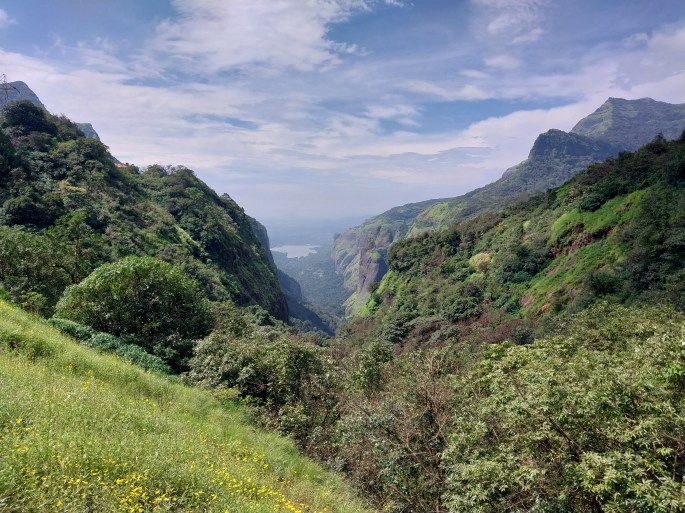
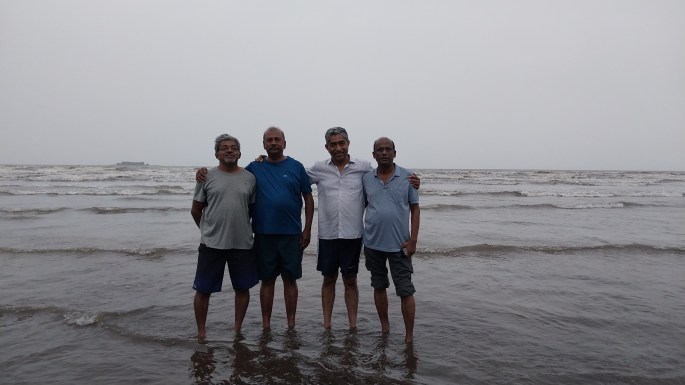
We recently enjoyed a one week drive holiday in Maharashtra and Karnataka. This was part of our plan to visit as many places in our country as possible, when we have time and energy to do so. The group members were Ninan Philip, Anilraj, Vijayakumar, Suresh & his wife Revati, Tomy & his wife Bimol, Sandeep & his daughter Sanjana and myself, Jayaprakash.
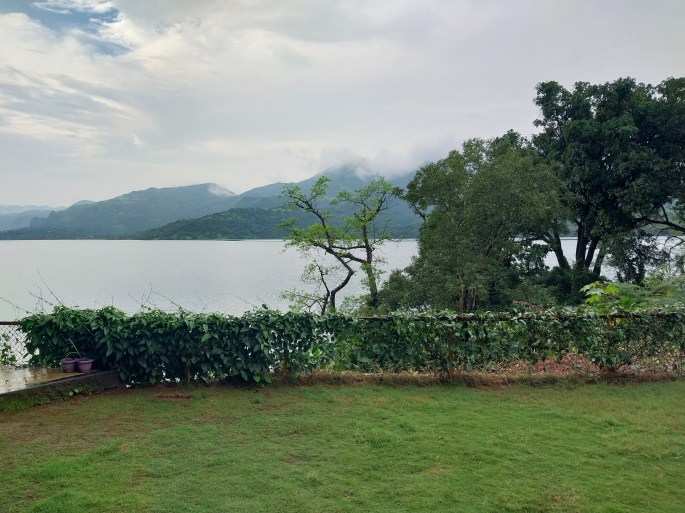
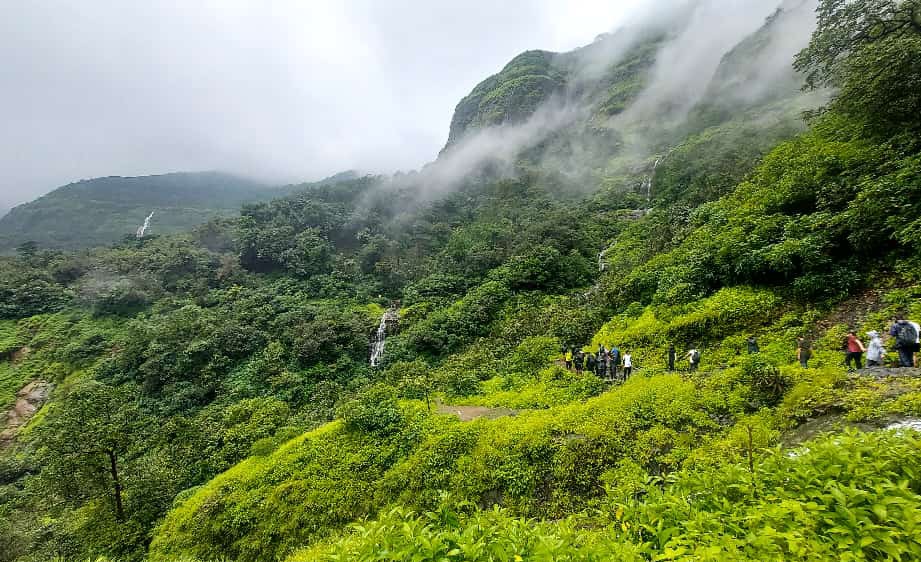
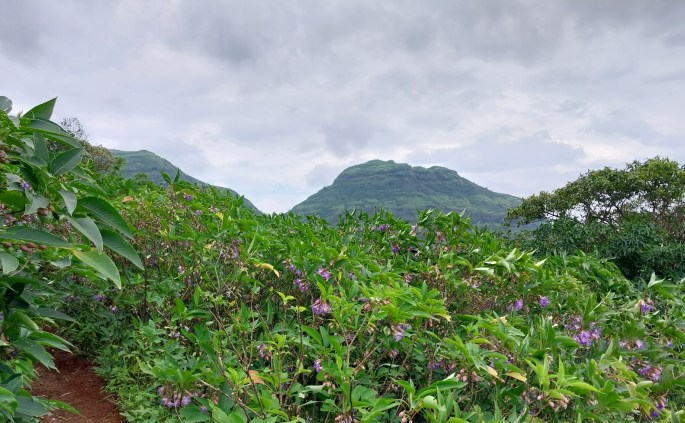
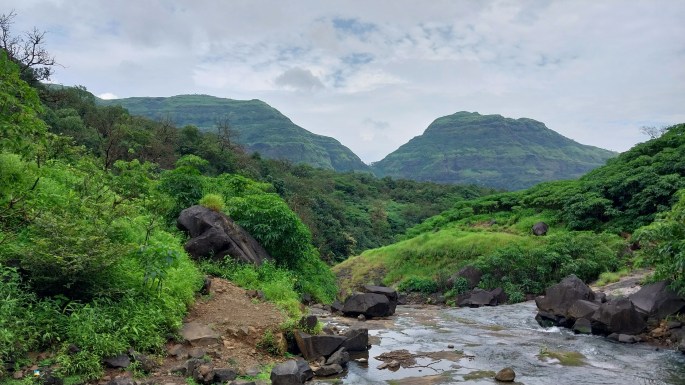
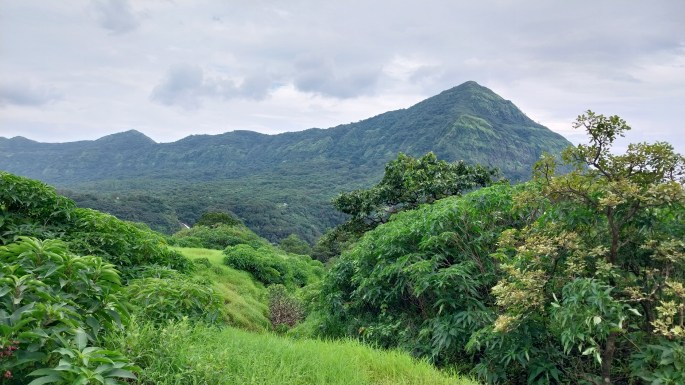
The first location was Tamhini Ghats, about 55 kilometers west of Pune. We enjoyed a 20 kilometre monsoon trek (to and fro) – Andharban Jungle Trek – through lush green hills, forest, streams and meadows. The attraction of the trekking during monsoon season is the beautiful scenery all around the walking trail – mountains, valleys, waterfalls and wild flowers.
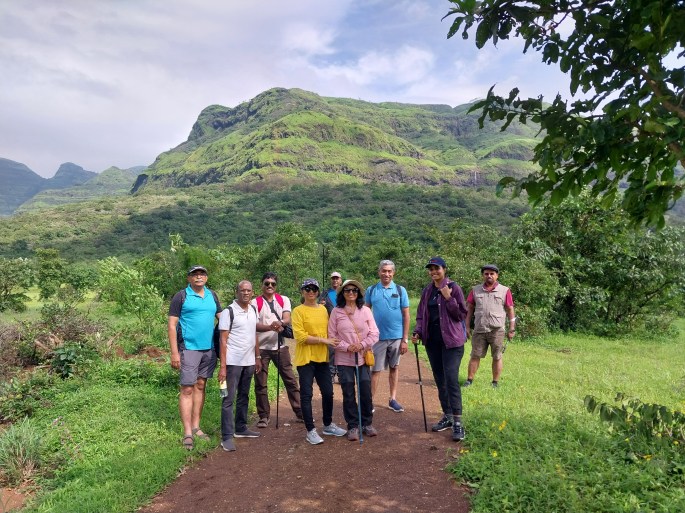

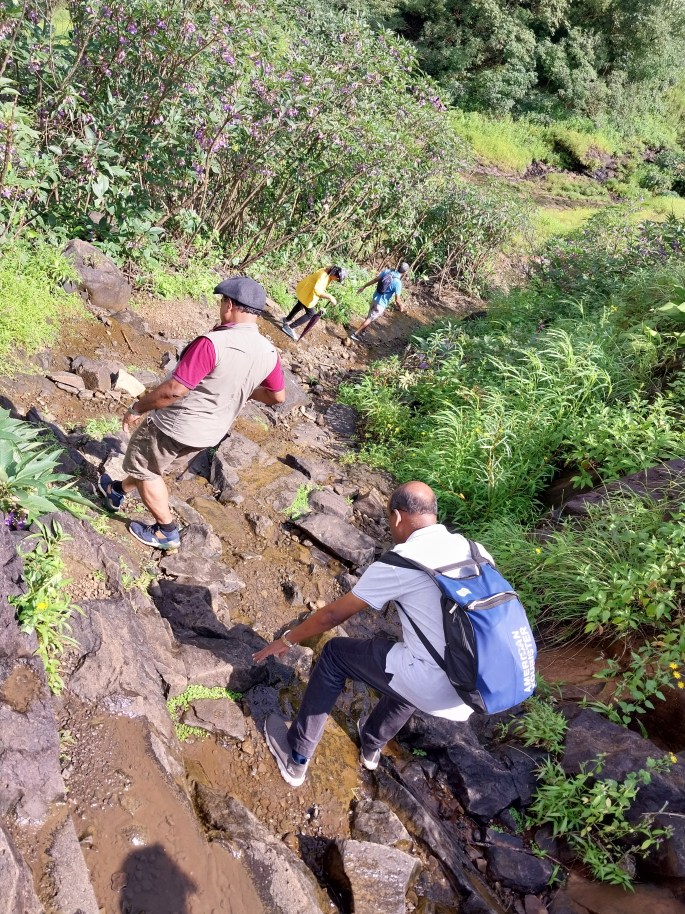
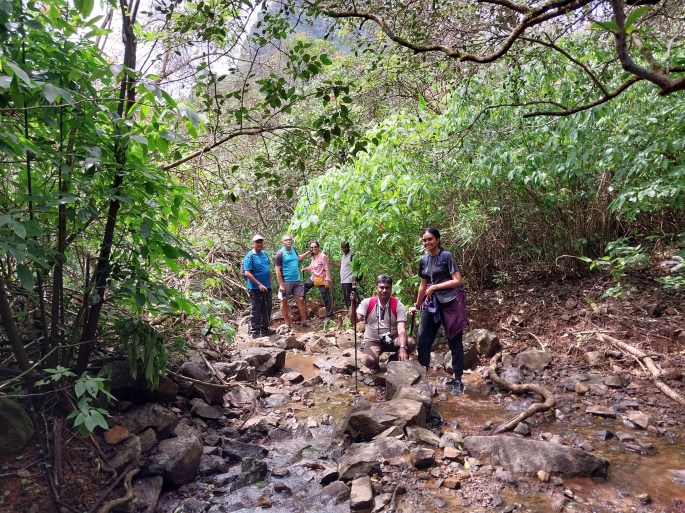
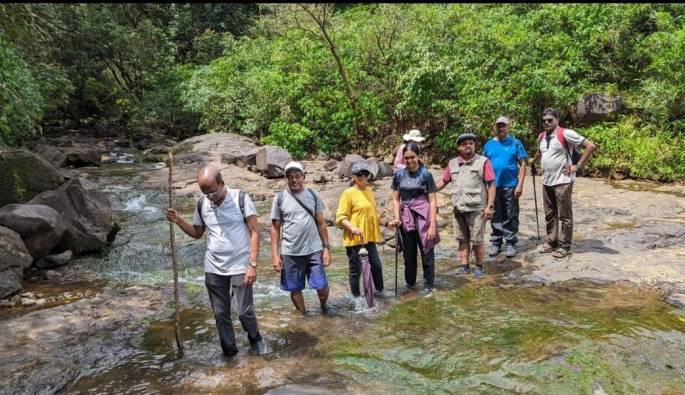
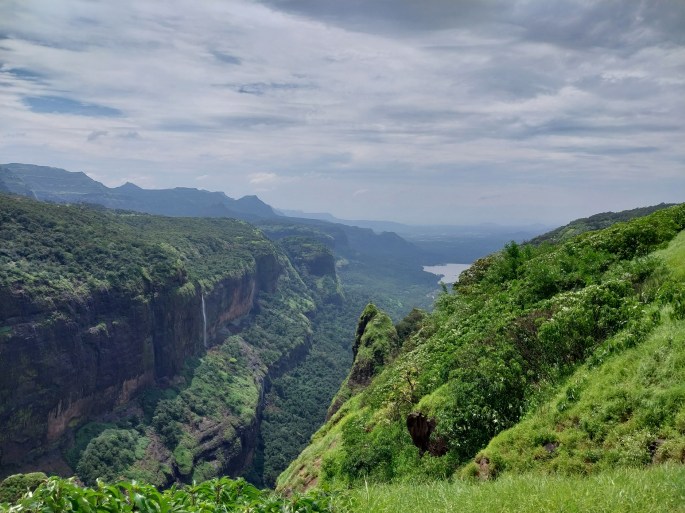
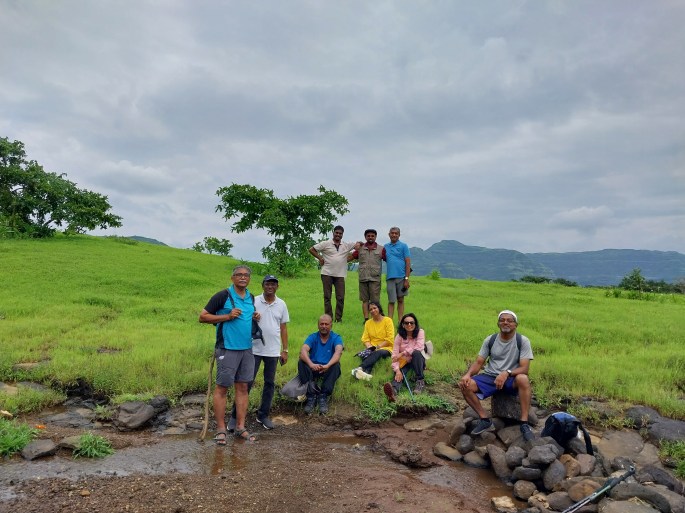
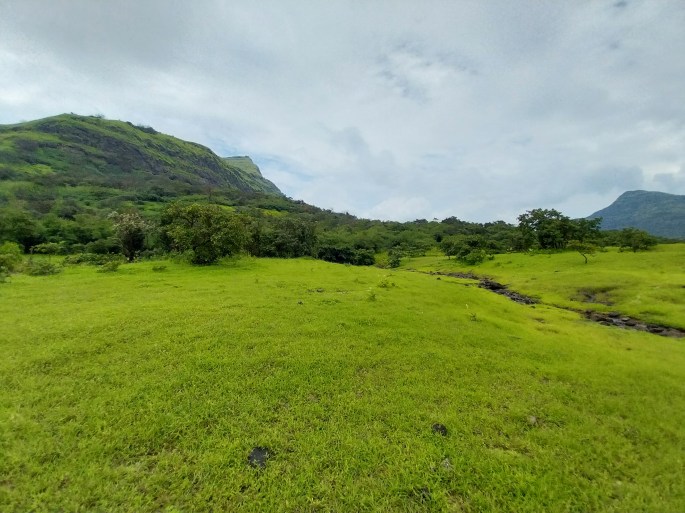
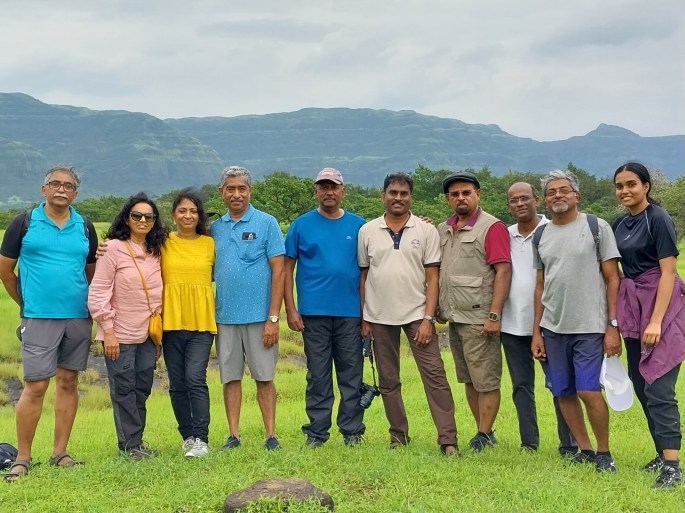
We completed the trek in about 8 hours, without much difficulty and it was a great experience. The photos will give a brief idea about the trek, but will not do justice to the natural beauty of the location.
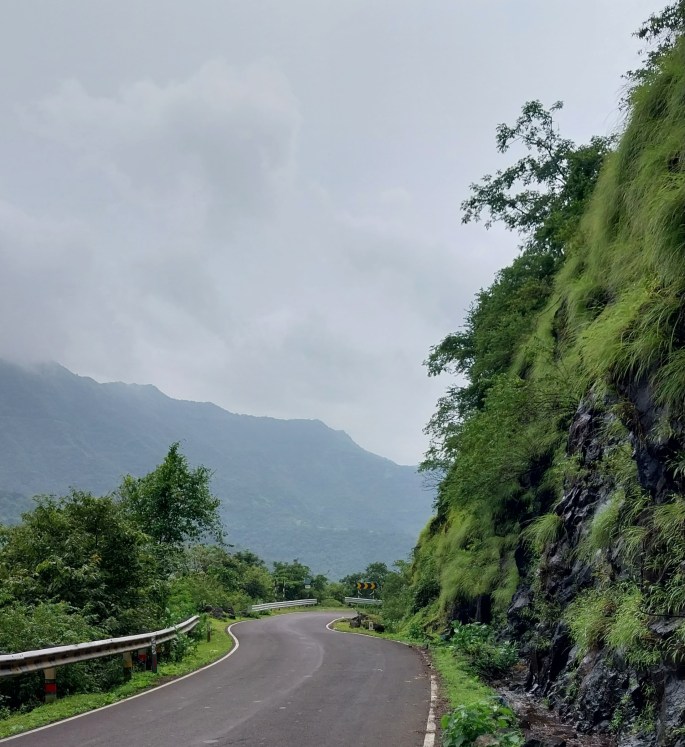
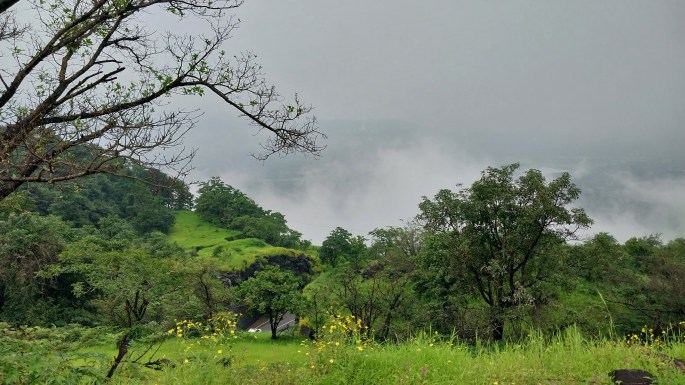
From Tamhini, we drove to Murud Beach, passing through many view points along the scenic winding roads.
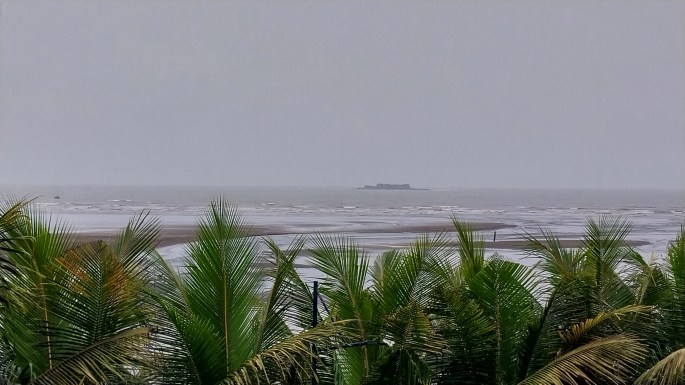
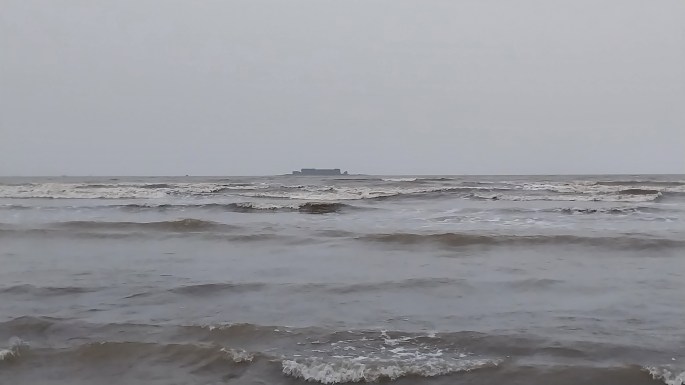
Our plan was to visit the Murud Janjira Fort built in an island in the Arabian Sea. Unfortunately, we couldn’t go to the fort because the local authorities stopped the boat service to the island for a few days because of the heavy rains.
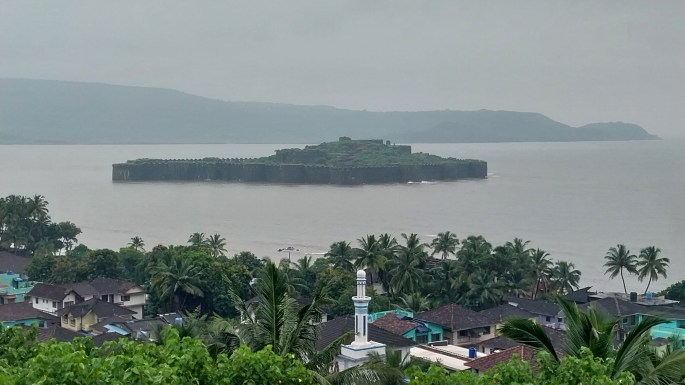
However, we could enjoy the wonderful stay at the `Divine Homestay’, right on the beach – they served home-made sea food delicacies.
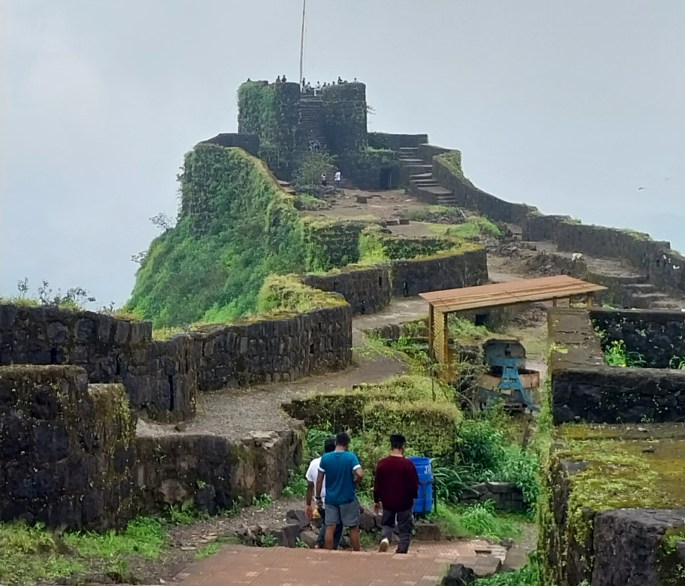
From Murud, we came back to the Sahyadri Hills and visited Pratapgad Fort in Satara District, Western Maharashtra. The fort was built by Chatrapati Shivaji in 1656.
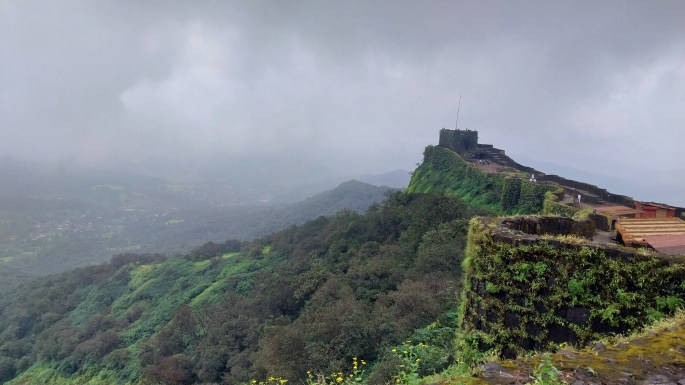
It is famous for the Battle of Pratapgad in 1659 where Chatrapati Shivaji killed Afzal Khan, ensuring the Maratha victory over the Bijapur Army.
We then drove to Panchgani, a popular hill station near Mahabaleshwar, where we stayed for a night.
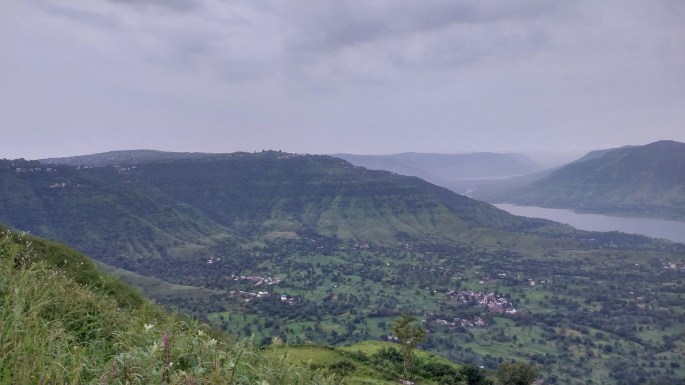
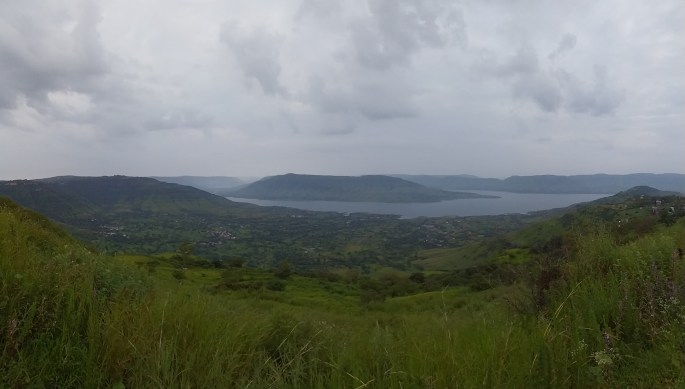
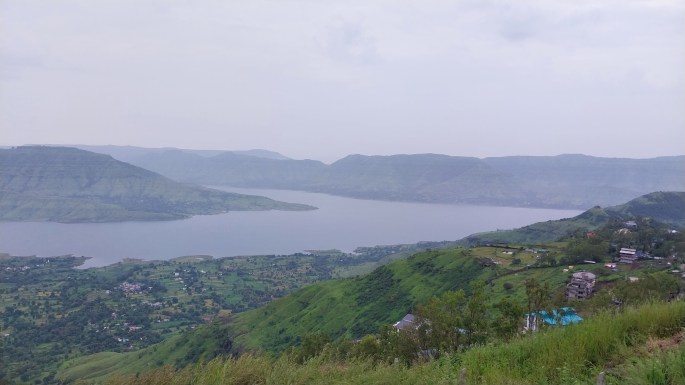
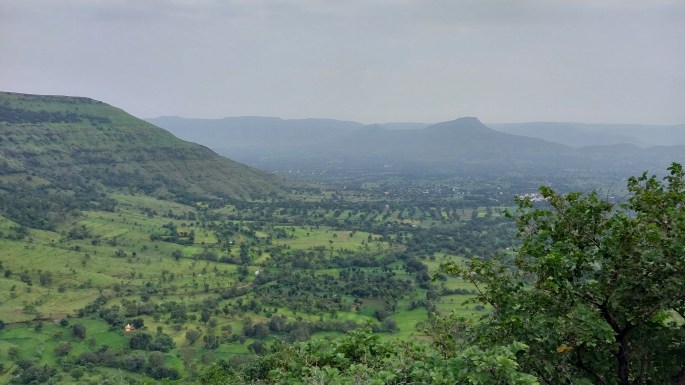
Next day morning, we started our long drive to Badami in Karnataka.
Badami was the capital of the early Chalukyas and is famous for its rock cut caves, temples and sculptures. This amazing place is an example of our rich ancient culture.
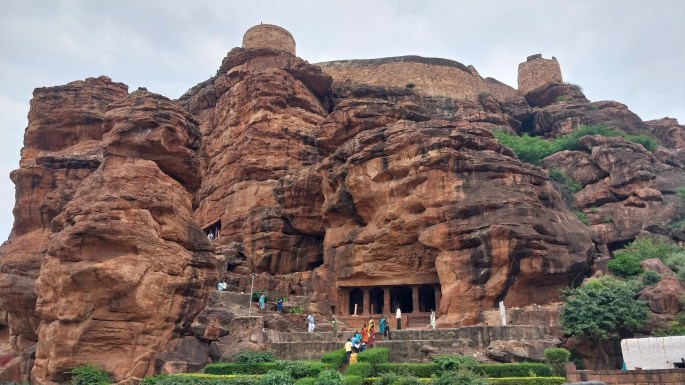
There are 4 caves in this Archeological Survey of India site. Cave 1, excavated around 550 CE is dedicated to Lord Shiva. It consists of an open porch, a pillared hall and a sanctuary excavated into its rear wall. Cave 2 was excavated for God Vishnu and it also consists of an open porch, a pillared hall and a sanctuary. Cave 3 was created in 578 CE by Chalukya Mangalesha for God Maha Vishnu. Like the two earlier caves, its plan comprises of an open verandah, a pillared hall and a sanctuary, but it is executed in an ambitious scale and has a stone structural enclosure. Cave 4 is a Jain Cave Temple, the smallest among the four caves and dates back to early 7th Century. Somewhat unfinished, it consists of an open verandah and an oblong antechamber with a sanctuary piercing into its rear wall which holds a large sculpture of Lord Mahavira. This last temple leads to the fort and the top of the hill.
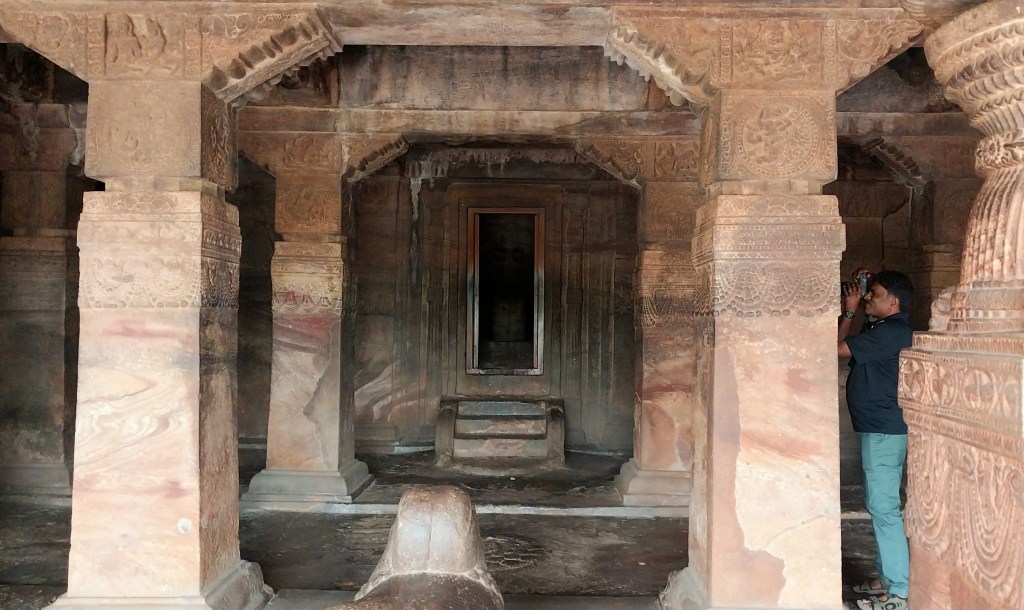
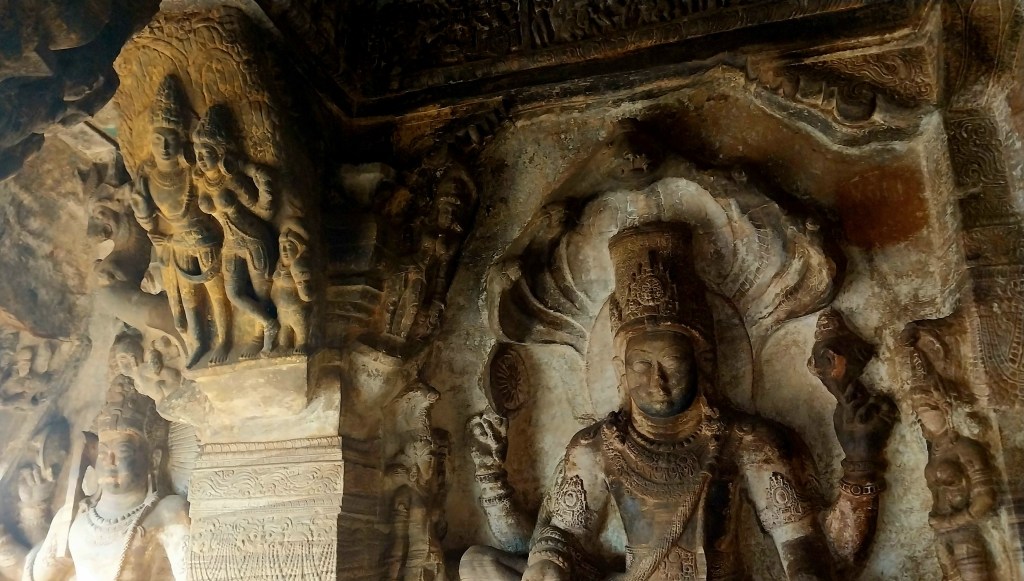
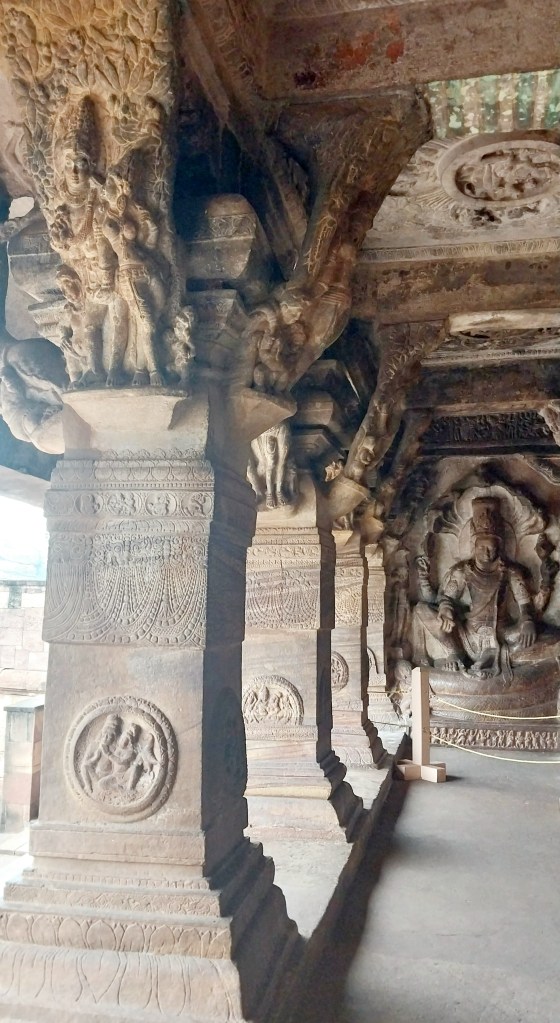
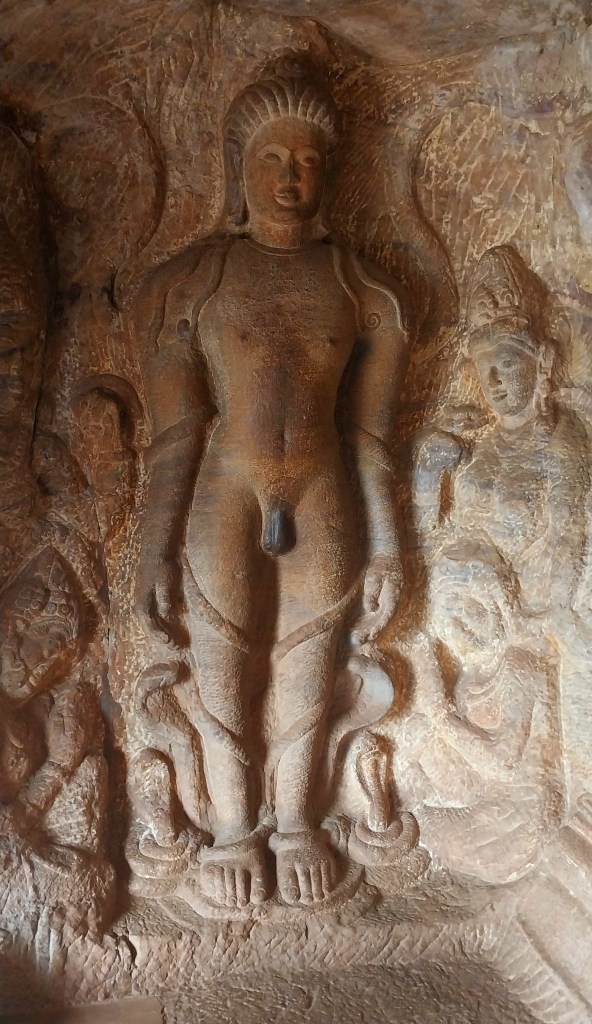
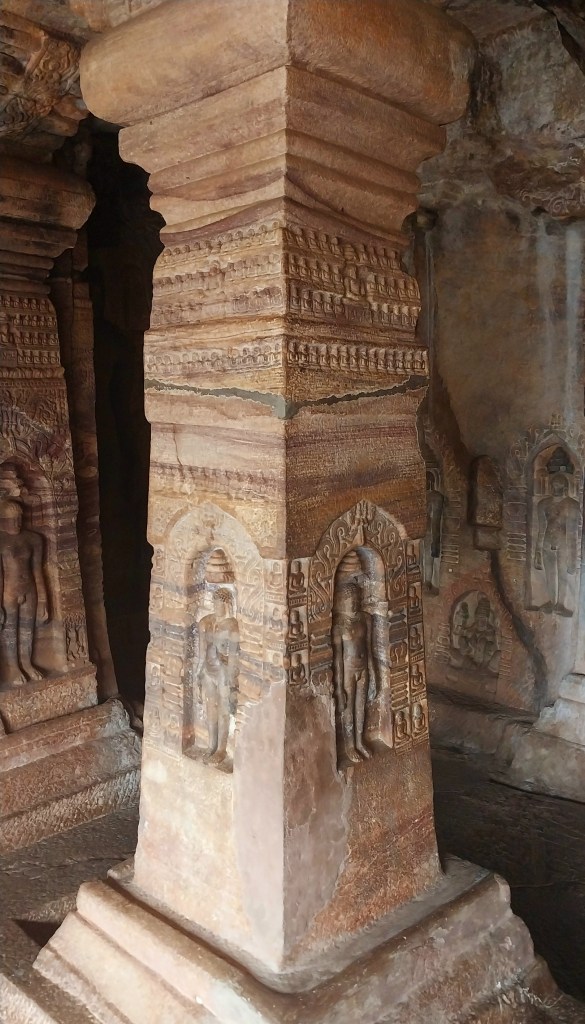
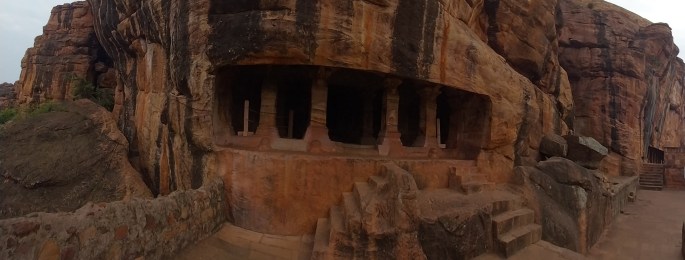
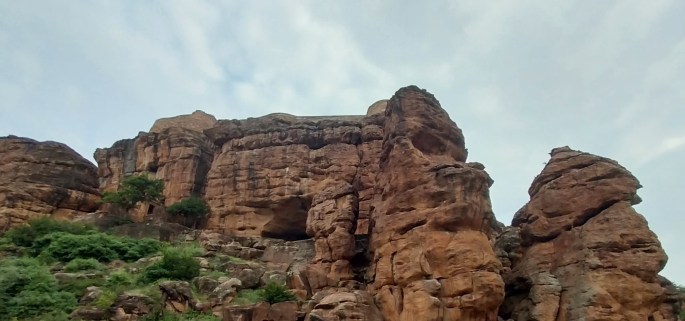
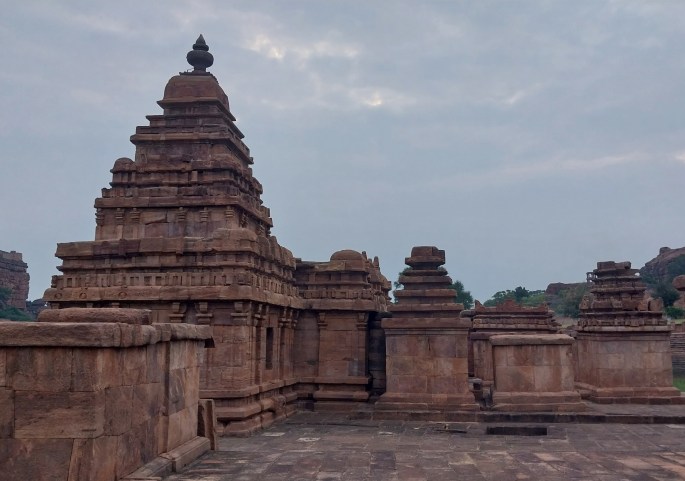
The caves overlook the Agastya Theertha Lake. A group of Bhutanatha Temples adorn the banks of the lake. The Bhutanatha Temple dates back to the 7th century, with the outer mandapa added in the 11th century.
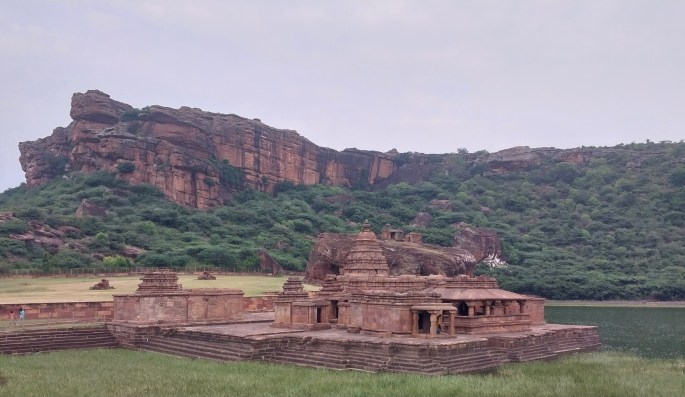
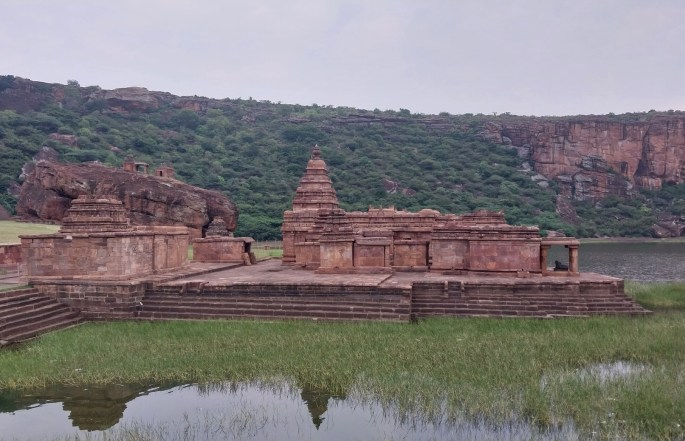
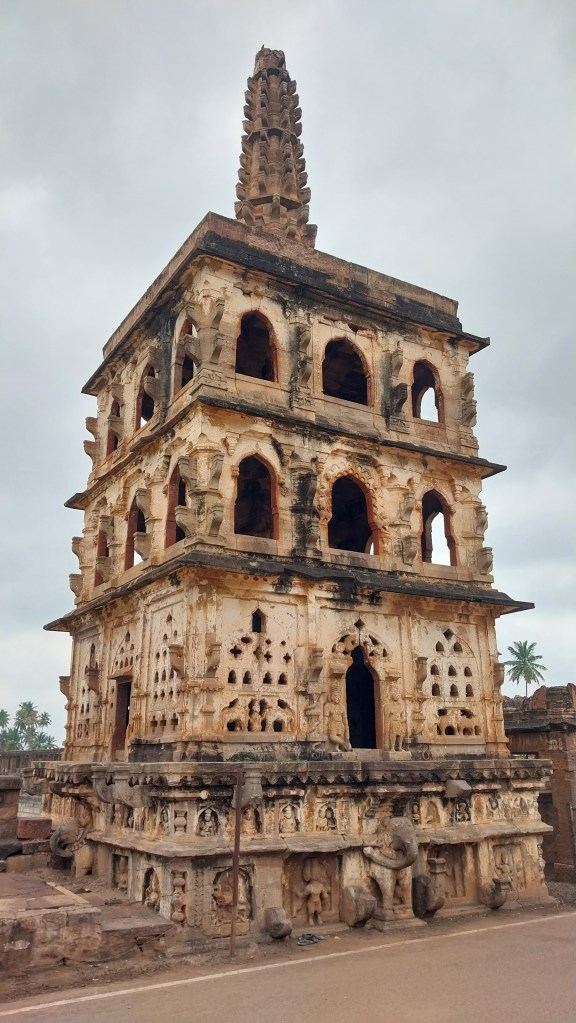
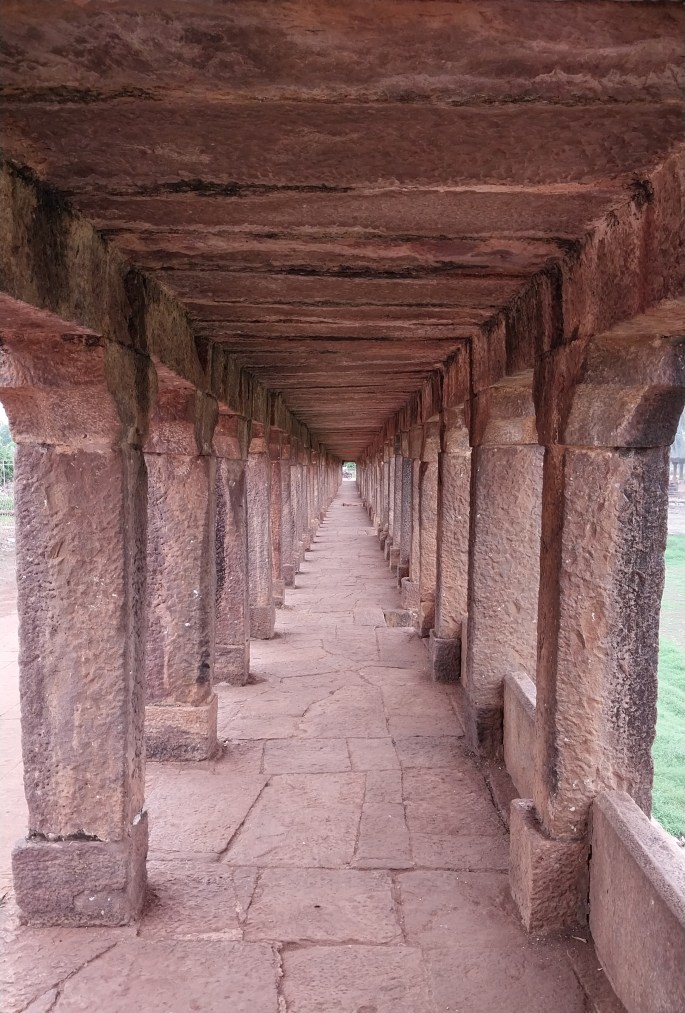
The ancient Banashankari Devi Temple located near Badami caves was built in the Dravidian Architectural style by the 7th Century Chalukya Kings. There is a 360 feet square water tank in front of the temple entrance called Harishchandra Tirtha. A pradakshina path surrounds the tank. There is also a Guard Tower cum Deepa Sthambha on the bank of the water tank. Photography is strictly prohibited in the temple and so we could not click any pictures of this temple.
After a hectic day of travel and exploration, we enjoyed our stay at Badami Heritage Resort.
The next day, we visited Pattadakal, another Archeological Survey of India site, located about 20 kilometers east of Badami. The ancient temples built during the Chalukya regime have been well preserved at this site. Pattadakal, where the early Chalukya Kings used to be crowned, is one of the three great centres of experimentation in temple architecture, the other two being Badami and Aihole.
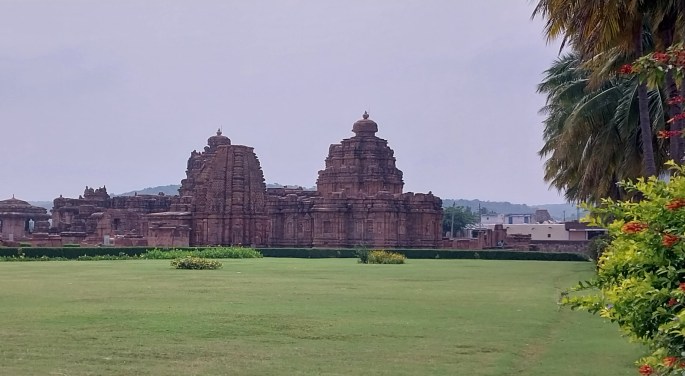
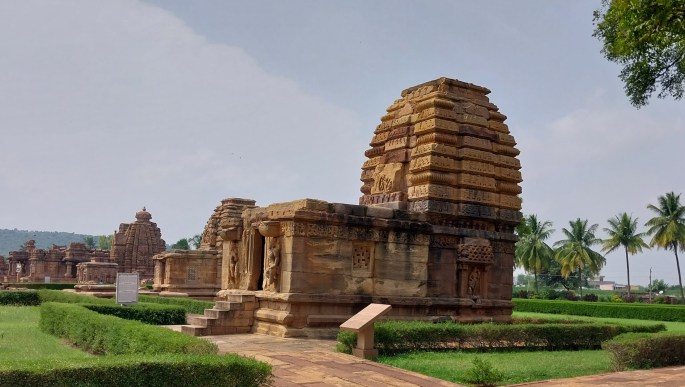
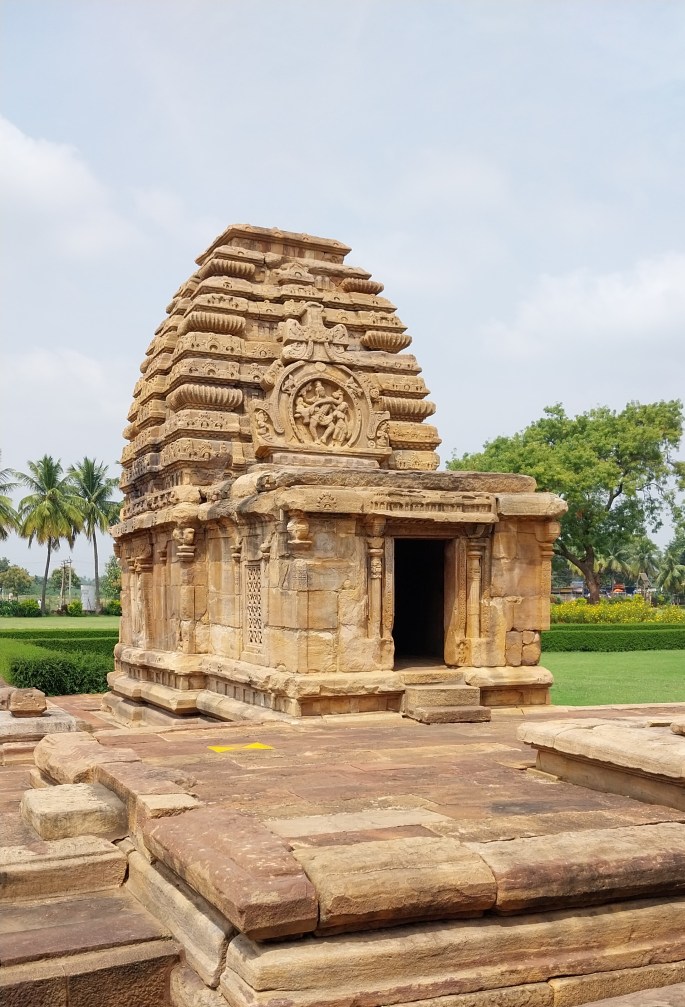
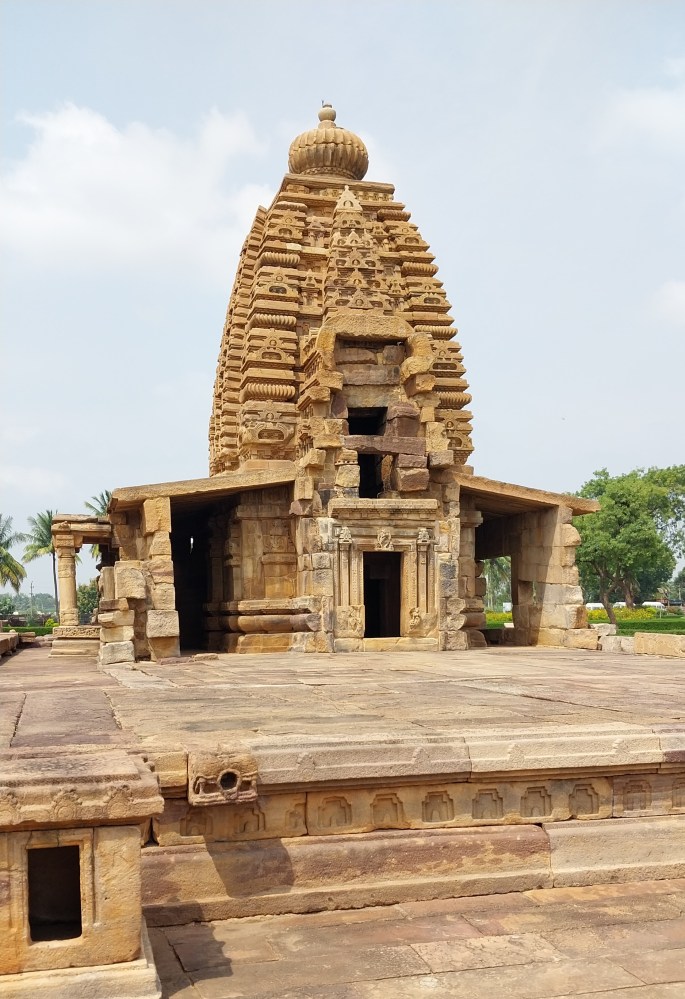
The early Chalukyan sculptural art, noted for its grace and vigor, rich imagination and delicate details, is best represented in the `Papanatha’, `Virupaksha’ and `Mallikarjuna’ Temples.
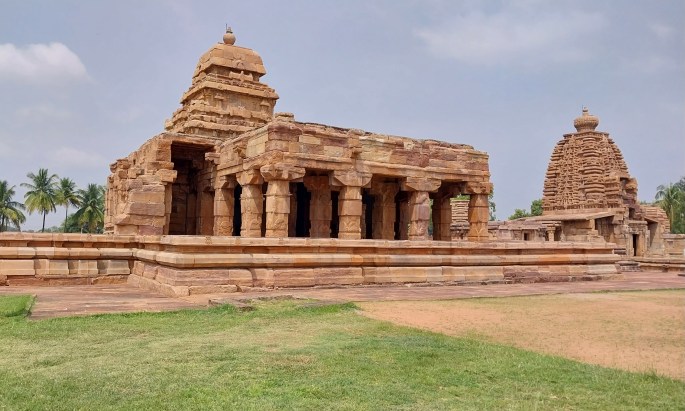
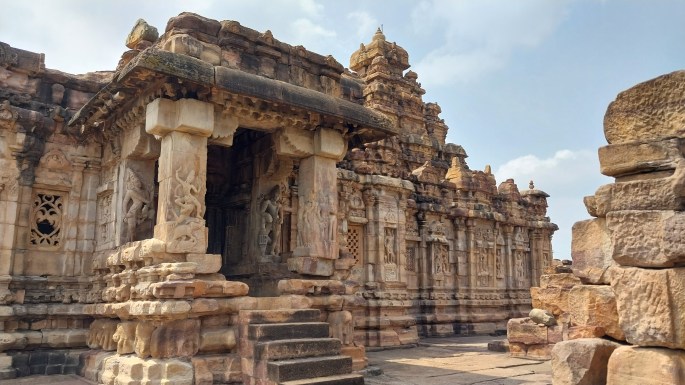
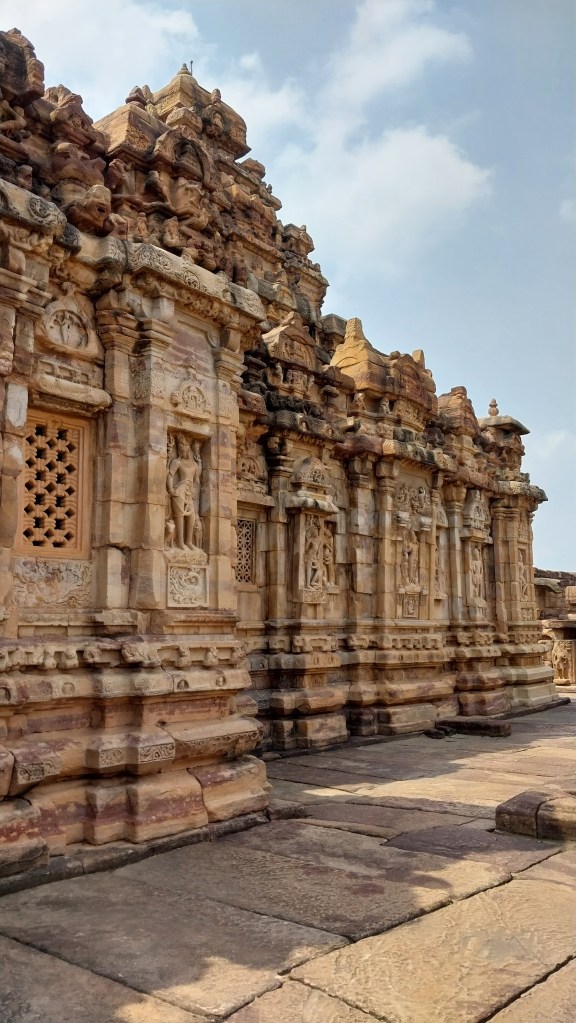
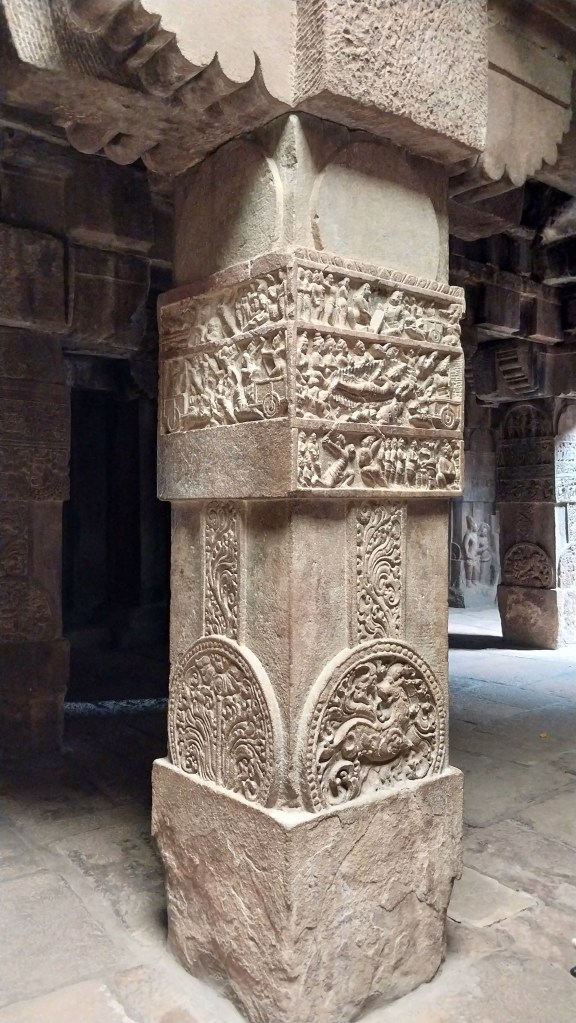
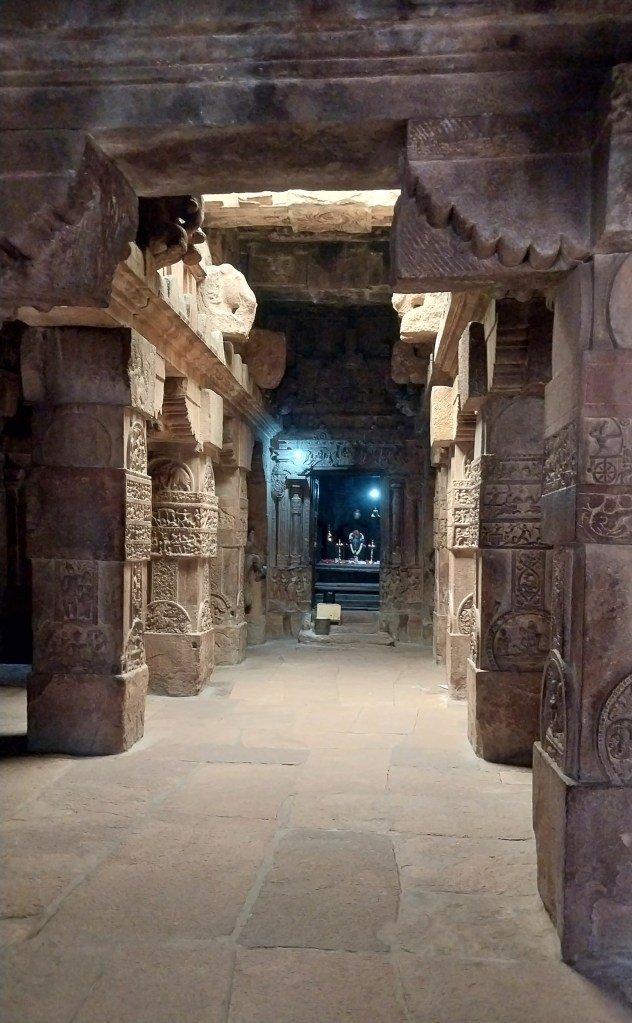
In contrast to the scorching temperatures outside, the interior of the temples were pleasant and cool. Visiting these historic places was a wonderful experience.
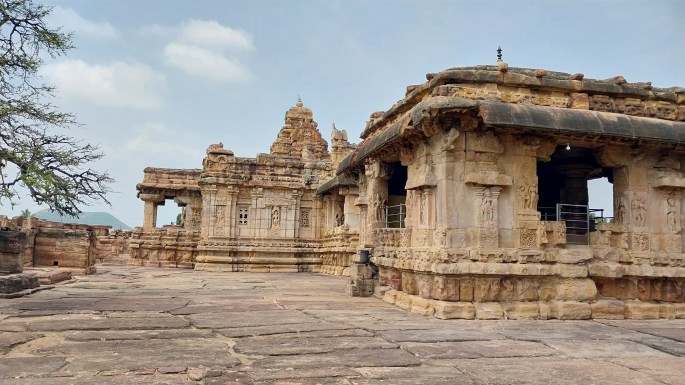
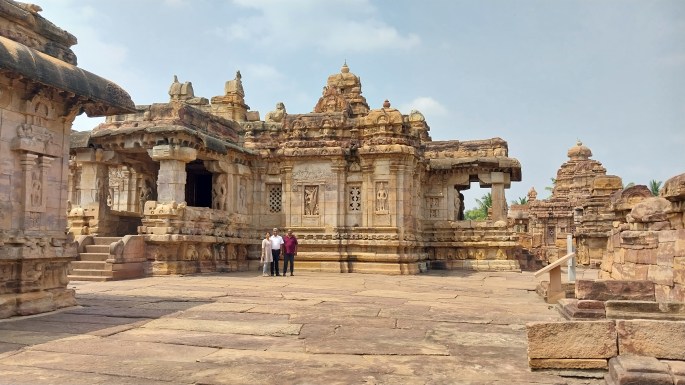
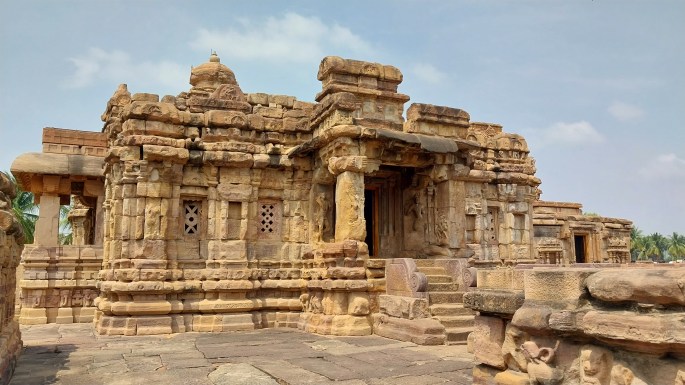
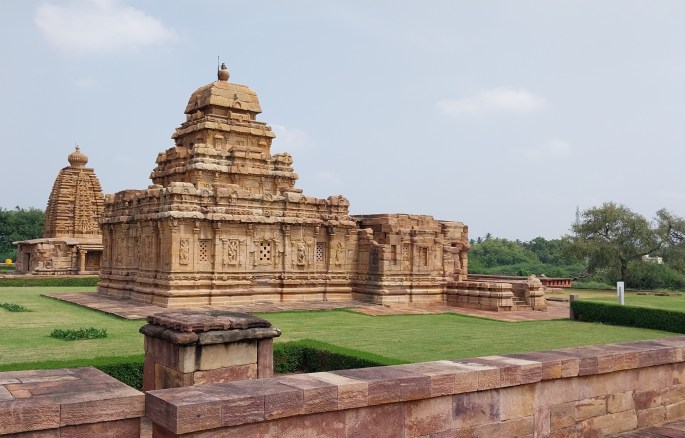
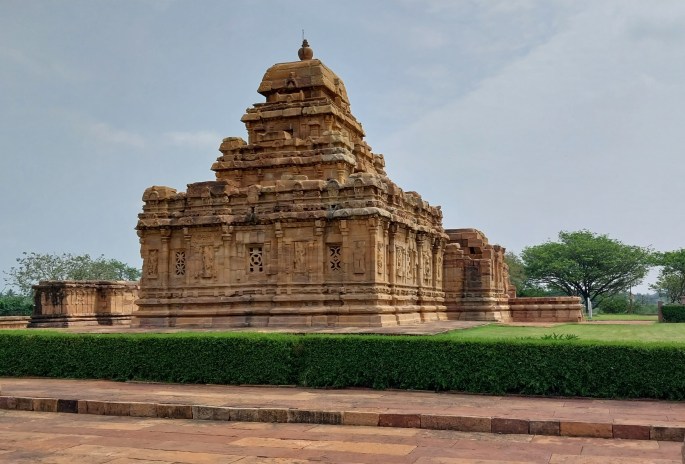
We also visited Aihole, a historic site about 10 kilometers north-east of Pattadakal. Located in a small village surrounded by farmlands, Aihole (or Aivalli) features around 120 ancient and medieval era Hindu, Buddhist and Jain temples and monuments.
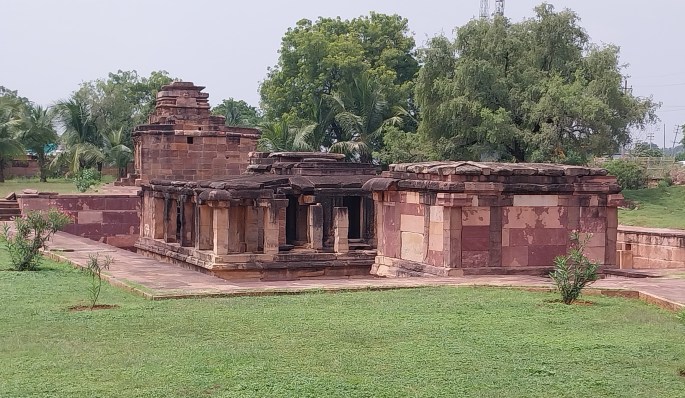
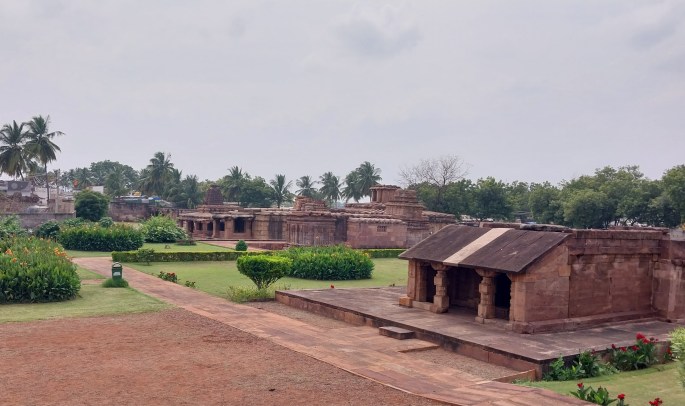
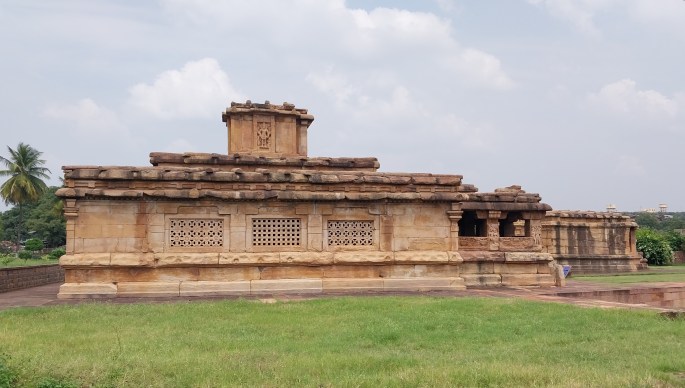
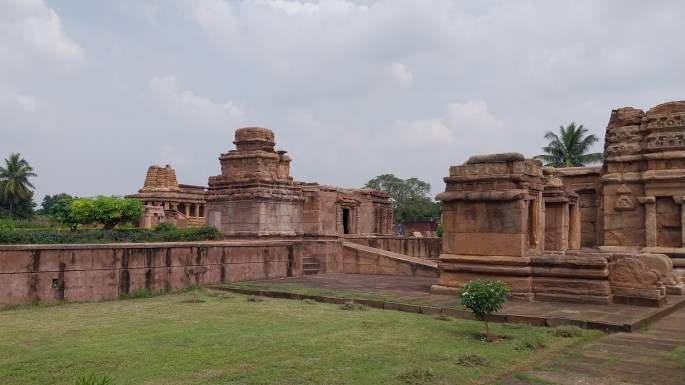
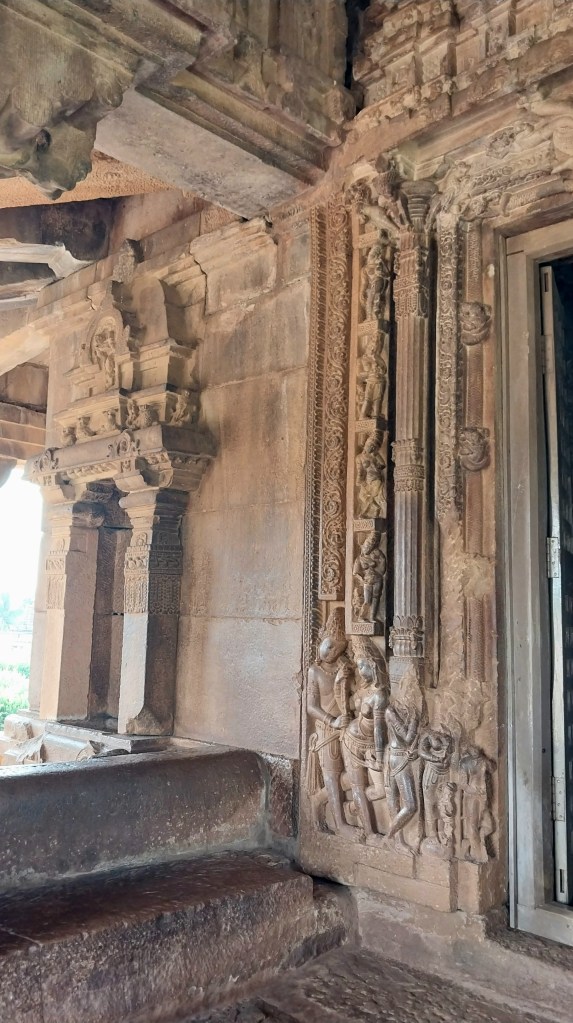
This site was also a reminder of the ancient history and culture of our country. It is sad that we do not maintain these gems or do proper tourist marketing, unlike the foreigners.
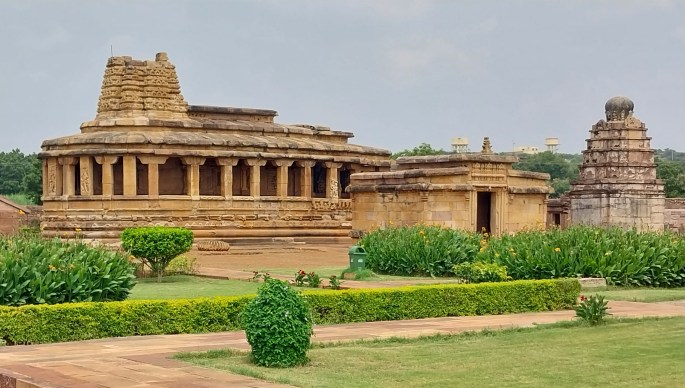
After a satisfying journey through the natural beauty and the rich cultural history of our country, we returned to our homes, expecting to resume our expeditions as soon as possible.
A few group members are planning to take travel as a serious vocation, utilizing their experience to organize off-beat trips, for larger groups. Planning is under way for a curated trip to New Zealand in April 2024.
 Nostalgia EE 84