
By JAYAPRAKASH P
After considering a few options, we decided to drive to Kaziranga National Park in Assam and then proceed to Miao in Arunachal Pradesh, to continue with our planned itinerary. Even though the distance to be covered per day for this deviation came to about 450 km, the highways in Assam were in good condition and we would get a full day in Kaziranga. This was the best option available for us and all of us were in full agreement. The fact that we could not drive to Kibithoo, the eastern most point of India reachable by road, was indeed sad, but we knew that’s the way it happens during such expeditions.
Day 6 : April 8 : Pasighat – Kaziranga (430 kM)
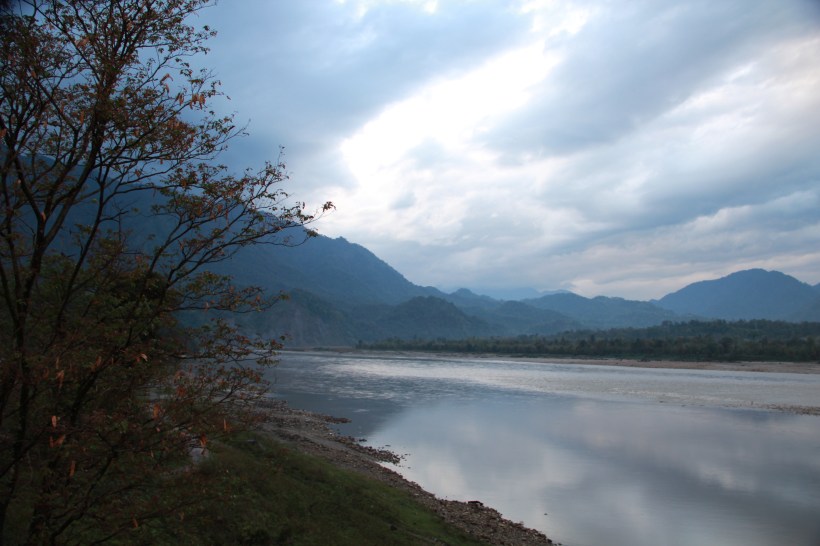
We started early from Pasighat and crossed over to Assam through Oyan Village, in about 45 minutes. To our delight, the road was a proper two-lane highway with good surface. We reached Silapathar in about 2 hours and had our breakfast.
Without wasting much time, we continued our journey hoping that the 400 plus kilometers to our destination can be covered in about 10 to 11 hours. The highway was straight for long stretches with beautiful trees on the sides and we could gain good momentum.
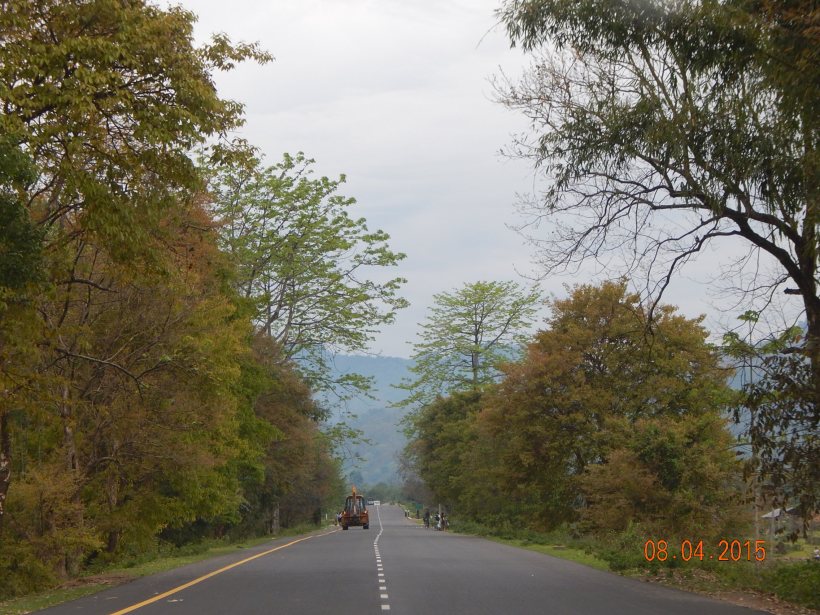
We had our lunch from Gohpur, a major town in the highway, where we could locate a decent hotel. Continuing further, we reached a place called Monabari where we were compelled to stop.
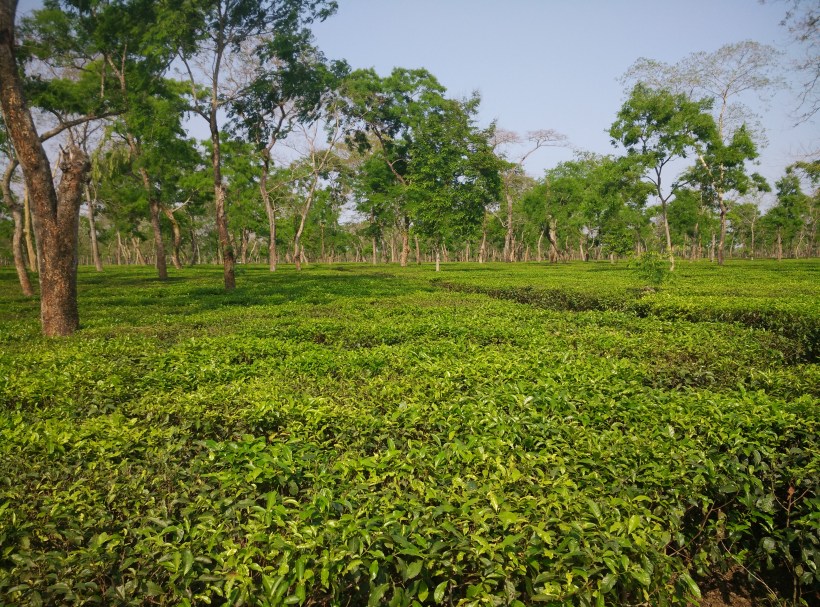
On both sides of the highway, there were tea plantations, so beautiful, but different from those we see in the hill stations of South India. These tea gardens were in plain land and it looked like a green carpet for the whole region. The shadow trees planted in the estate further enhanced the beauty.
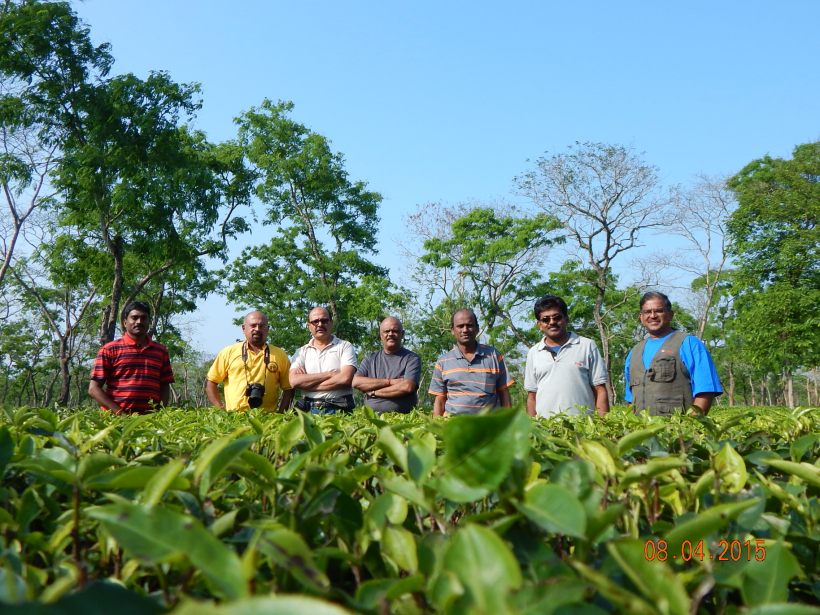
We didn’t miss the photo opportunities presented by the flat tea gardens of Assam.
We reached Tezpur by evening and took a tea break. The tea was exceptionally good, brewed from the fresh tea leaves from the nearby gardens. Soon we resumed our journey and crossed Brahmaputra through the 2 km long Tezpur Bridge, guarded on both sides by armed soldiers. We reached our destination, Hotel Bonroja situated close to the Western Range of Kaziranga National Park, before dusk.
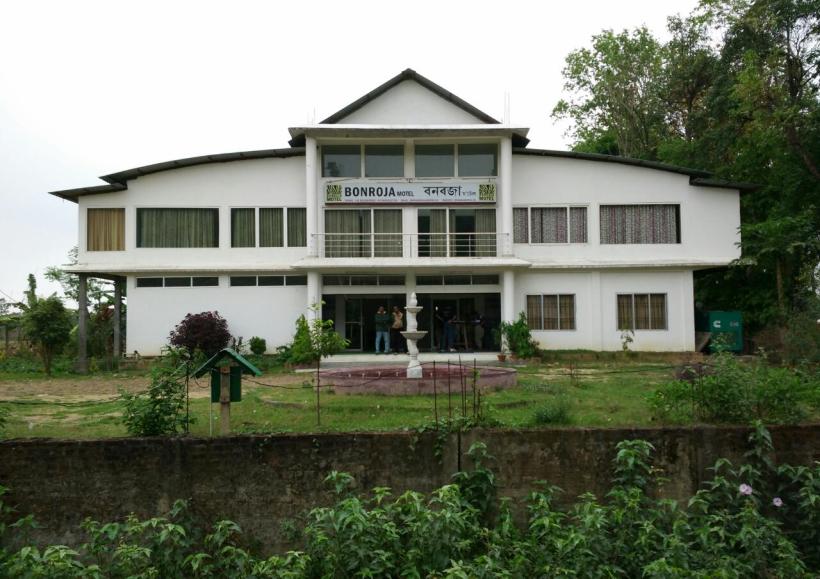
As advised by our friend who suggested this hotel, we booked two safaris in the park for the following day, an Elephant Safari at 5.30 AM and a Jeep Safari at 2 PM. The booking was done with the help of the hotel management and it was a good service which they provided for their guests.
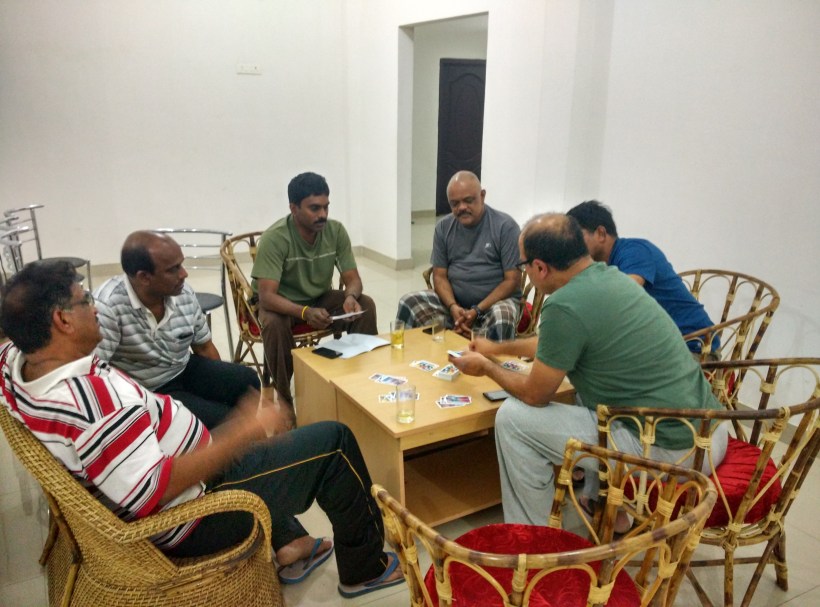
We freshened up, had dinner and played a few rounds of Rummy before hitting the bed.
Day 7 : April 9 : Kaziranga National Park
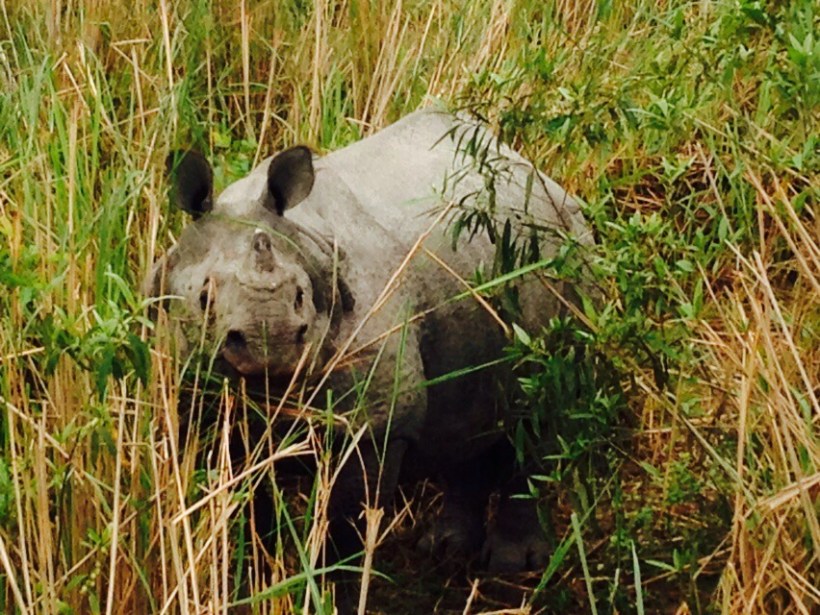
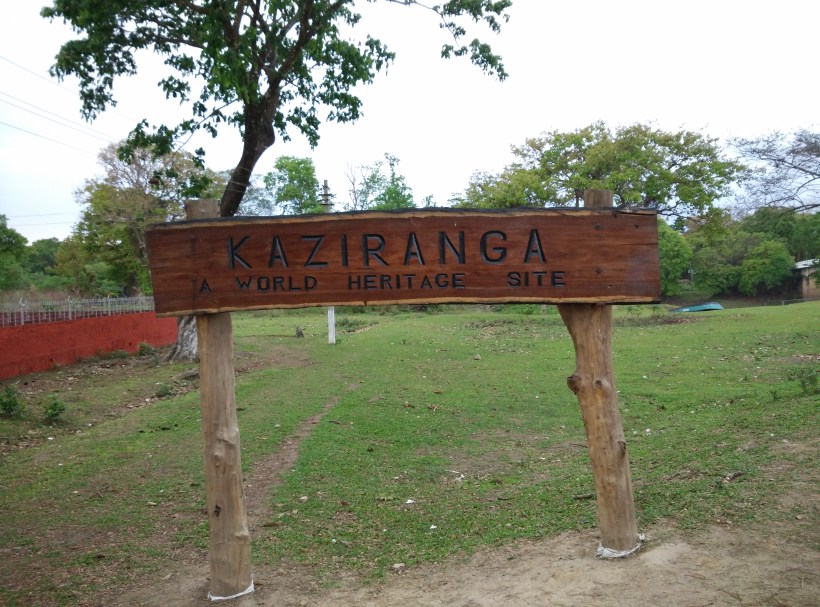
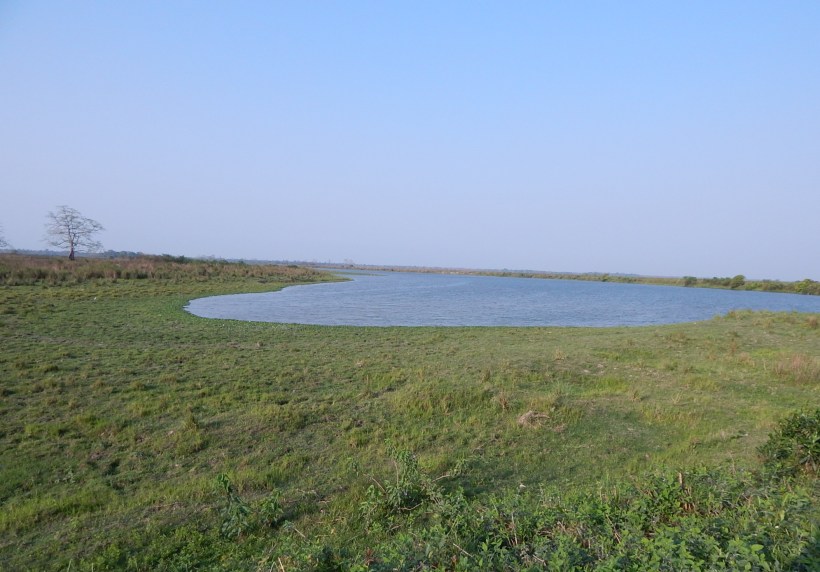
Kaziranga National Park is a World Heritage Site and is well known for its rich bio diversity. The main attraction of this National Park is that it is home to two third of the world population of one-horned Rhinos. Kaziranga, which is very popular among wildlife lovers, is also home to large populations of tigers, elephants, wild water buffalos, sloth bear and swamp deer among many species of birds. The landscape of the National Park features a mix of marsh land, elephant grass, tropical forest and numerous water bodies and lakes, criss-crossed by four major rivers, including the Brahmaputra. The Park has 4 ranges and every range has its own peculiarities when it comes to wild life sightings. However, the Central Range (Kohora) and Western Range (Bagori) are more popular.
We reached the entrance of the Western Range (Bagori) for the Elephant Safari at 5.30 AM. Because of the queue system, our group was split into different elephant rides, and each elephant took a different path.
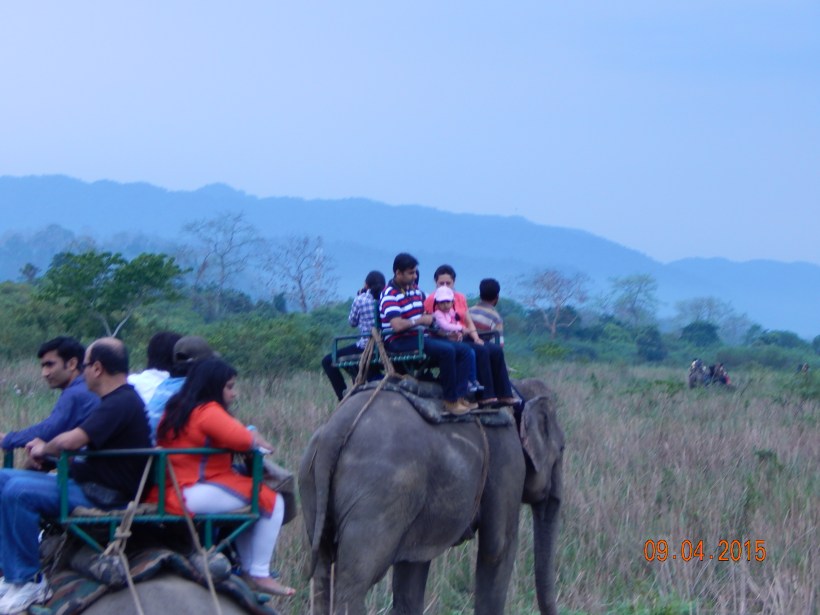
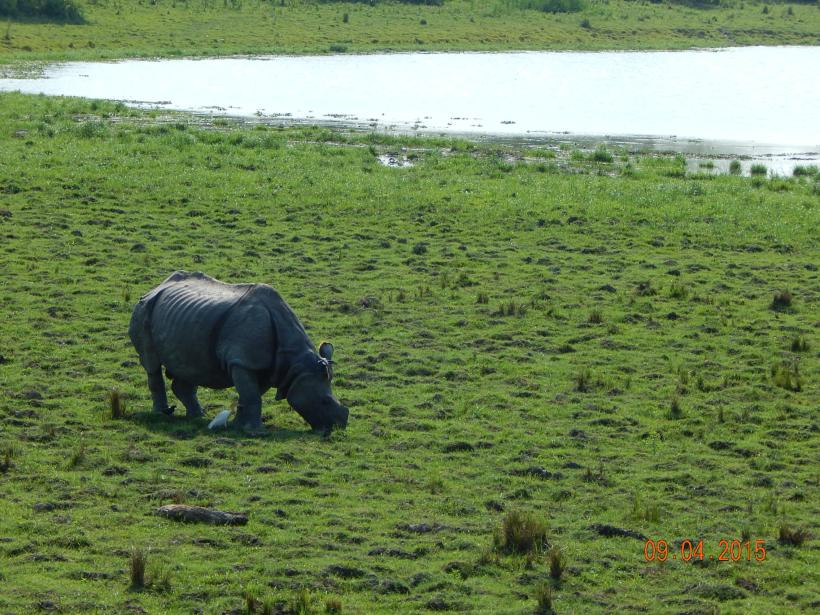
At sun rise, we were already at a distance into the park and the region was covered with tall grass and bushes. The guide spotted a few Rhinos and Wild Buffalos which were peacefully grazing among the tall grass and the safari elephants went closer to them. Even though they moved away when the elephant came closer, we got the opportunity to see them and take pictures.
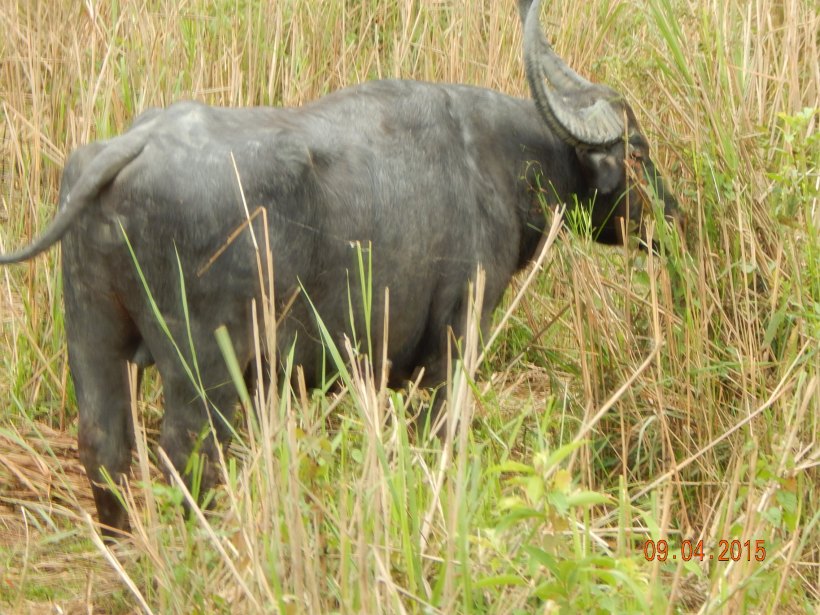
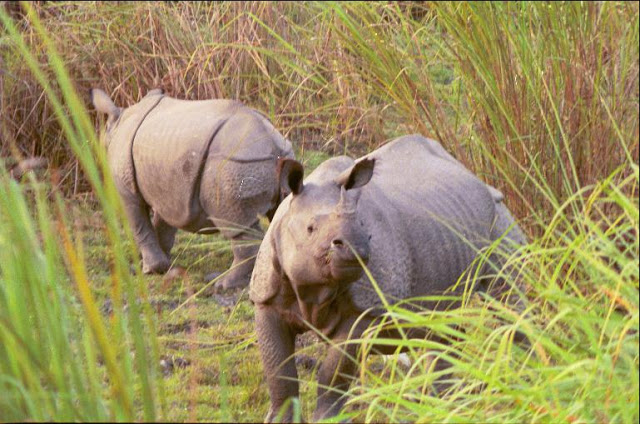
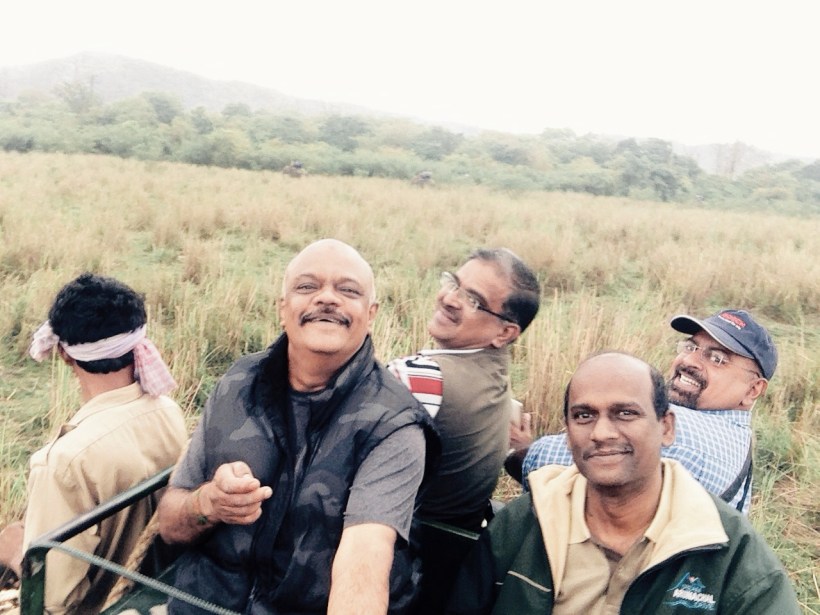
After about an hour in the Park, the safari elephants returned to the entrance point, to carry the next set of people waiting in the queue. We just thought about the hardships of the elephants carrying people without proper food or rest. Some of them were old and really weak.
There were beautiful flowers on the plants at the entrance gate of the Park.
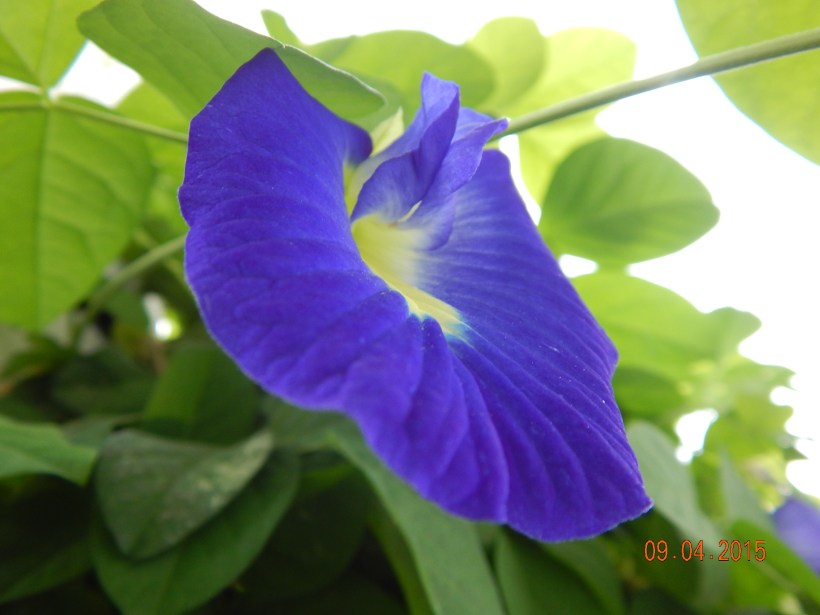

We returned to the hotel by about 7.30 AM after the rough elephant ride and enjoyed a nice hot water bath. After breakfast, we went for a short drive to the town for shopping and bought some souvenirs.
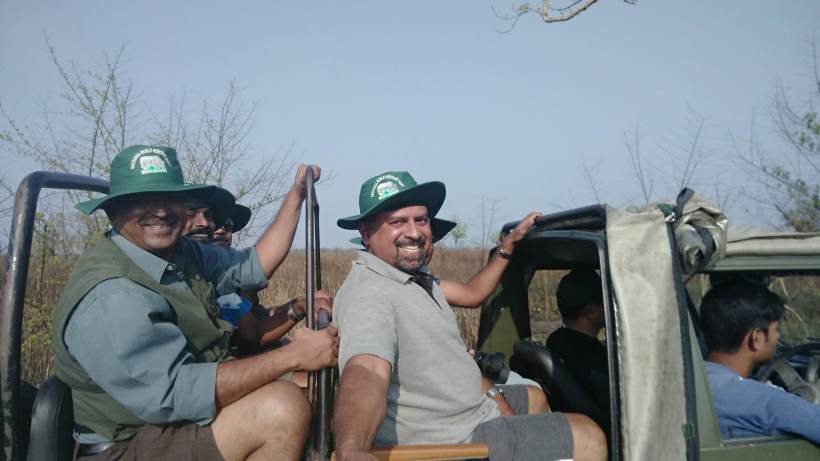
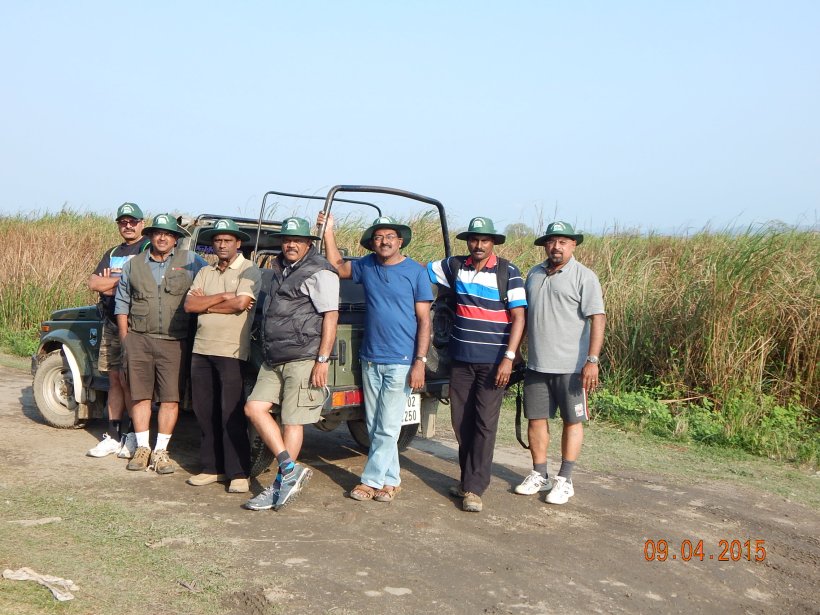
By the time we finished our lunch, the Maruti Gypsy Jeep booked for the 2 PM Safari at the Central Range (Kohora), was ready in front of the hotel. We boarded the open Safari Jeep, which took us to the Kohora Safari Zone, travelling a good distance through the highway.
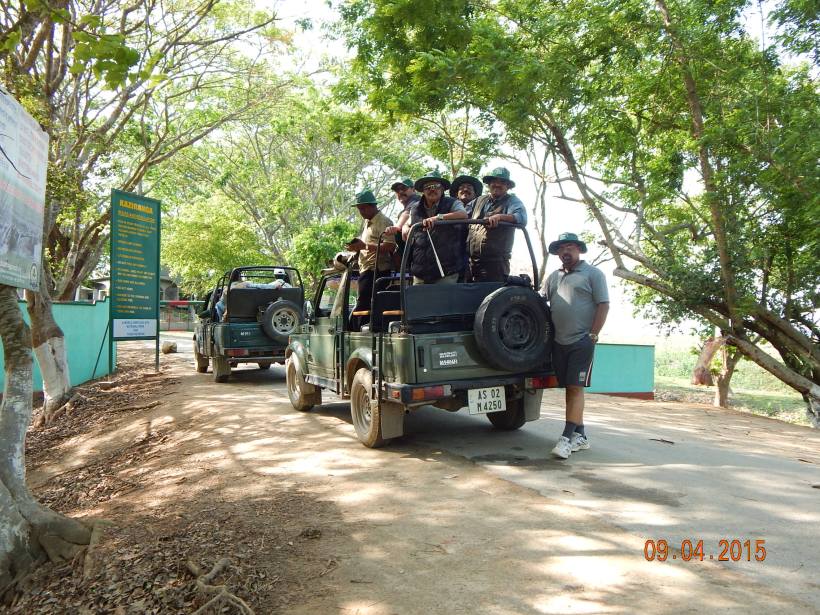
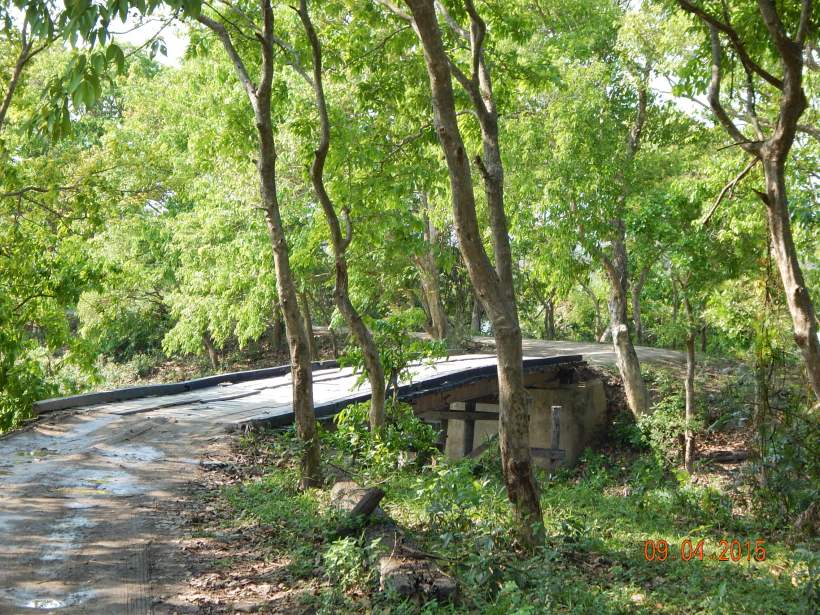
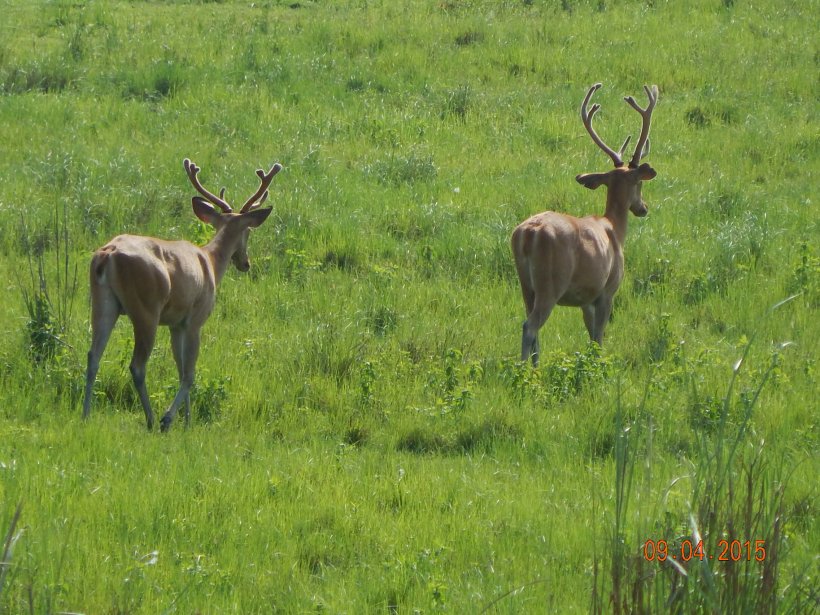
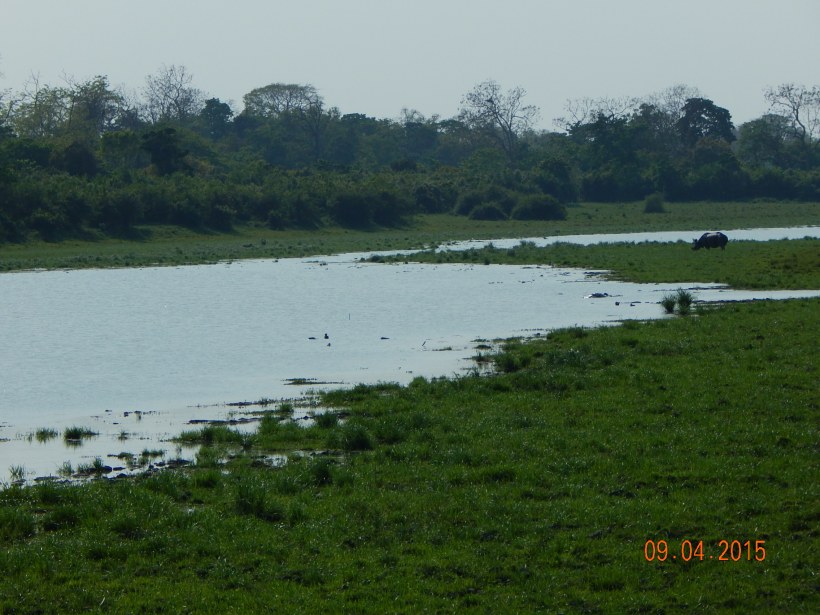
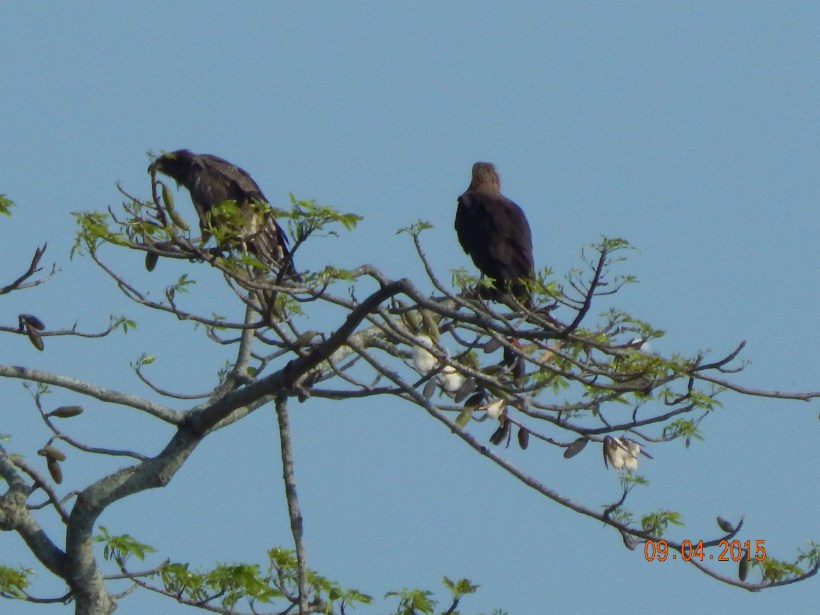
The two hour safari took us deep into the Central Range and we had a lot of wildlife sightings. The narrow trail through the forest, the wooden bridges, the observation tower where we could spot large groups of wild elephants and buffalos etc. were the highlights of the safari that we enjoyed.
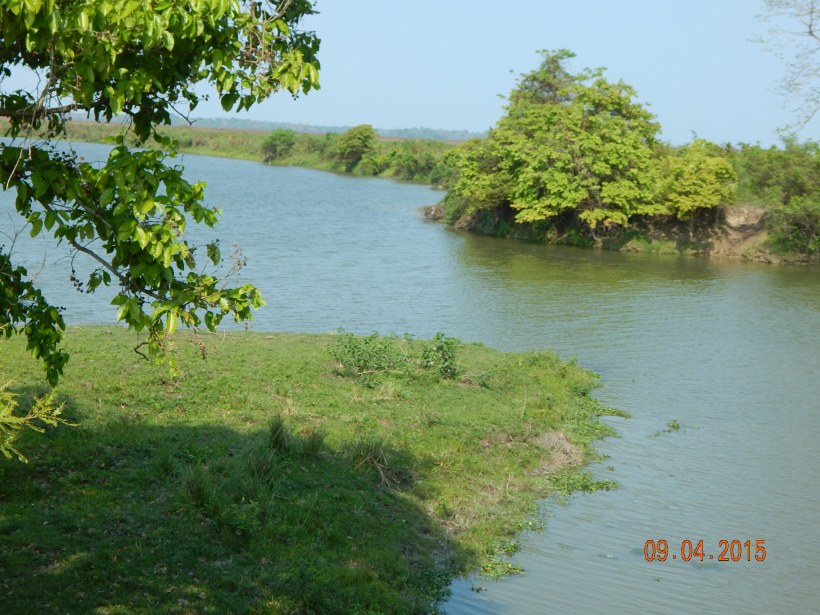
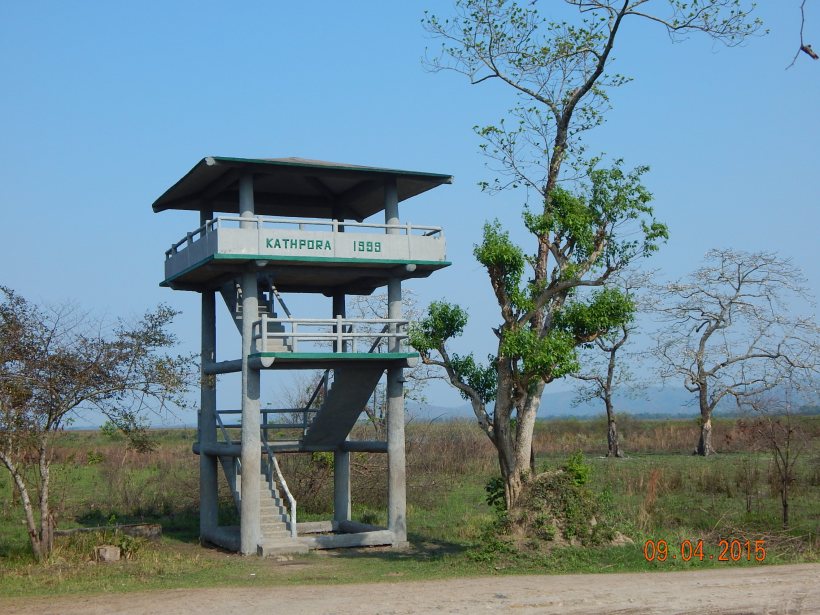
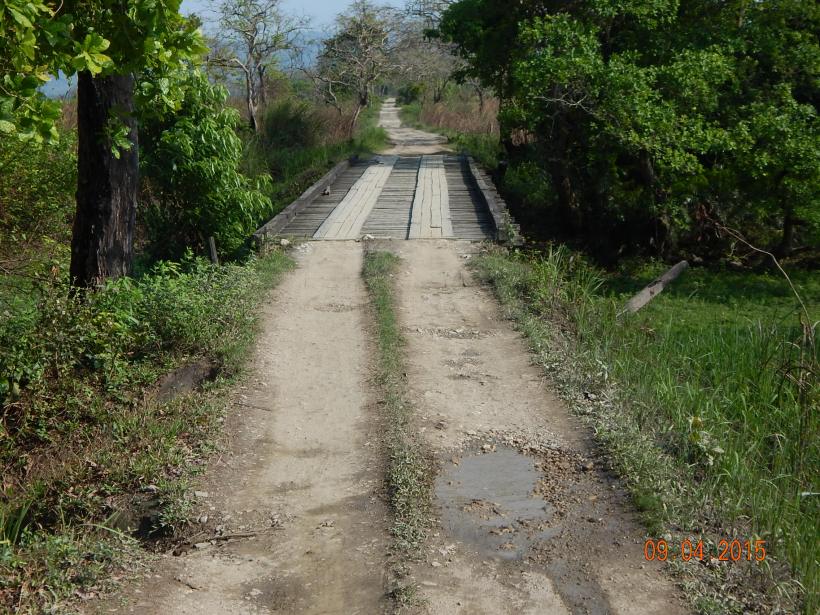
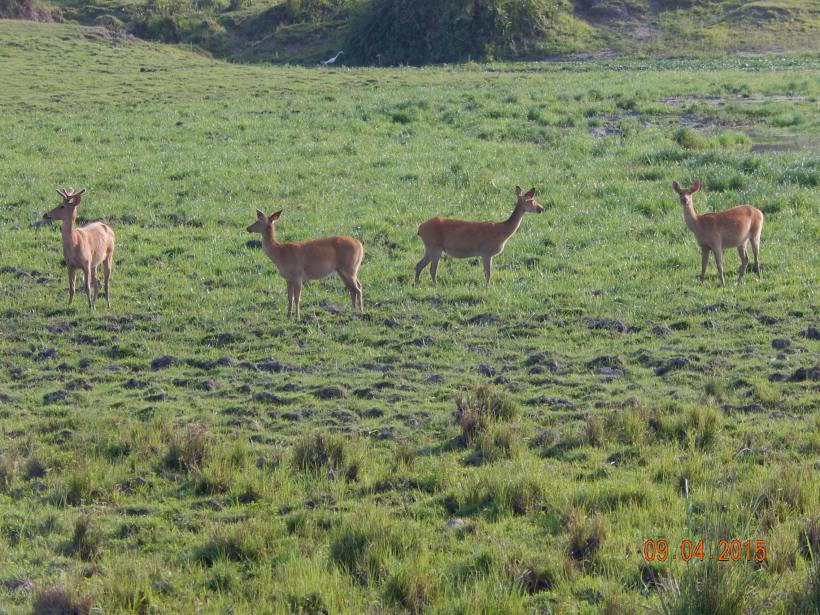
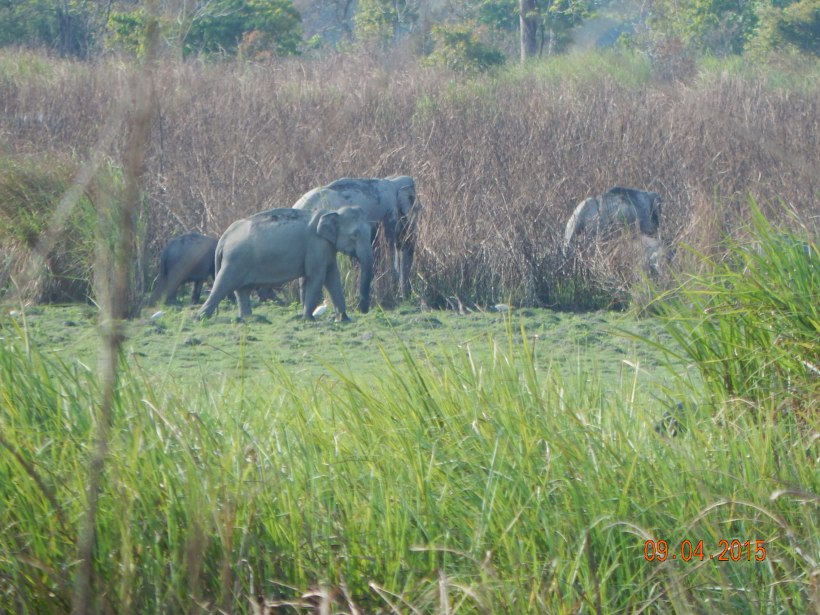
We returned to the hotel feeling that Kaziranga somewhat compensated for the missed chance of visiting Kibithoo.
Day 8 : April 10 : Kaziranga – Ledo – Miao (420 kM)
We started from hotel Bonroja after an early breakfast and drove through Jorhat, Sibsagar, Tinsukia and reached Ledo by evening. The drive through the highway was uneventful, though we crossed almost half the length of Assam.
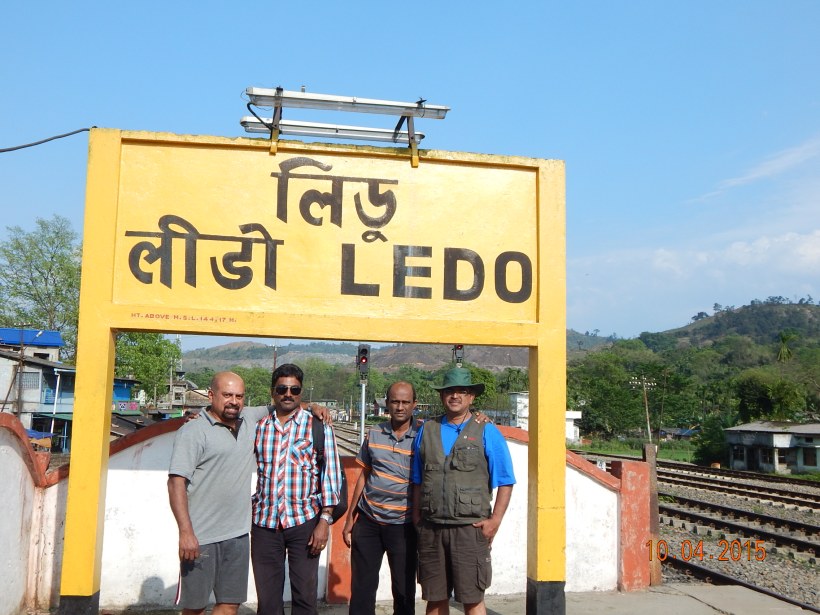
We spent some time at Ledo, a small town in Tinsukia district of Assam. Ledo is the easternmost broad gauge railway station in India.
This town is also the starting point of Ledo Road, also known as Stilwell Road, a highway built by the British during World War II, to transport arms and provisions to the Allied forces in Burma and Malaya.
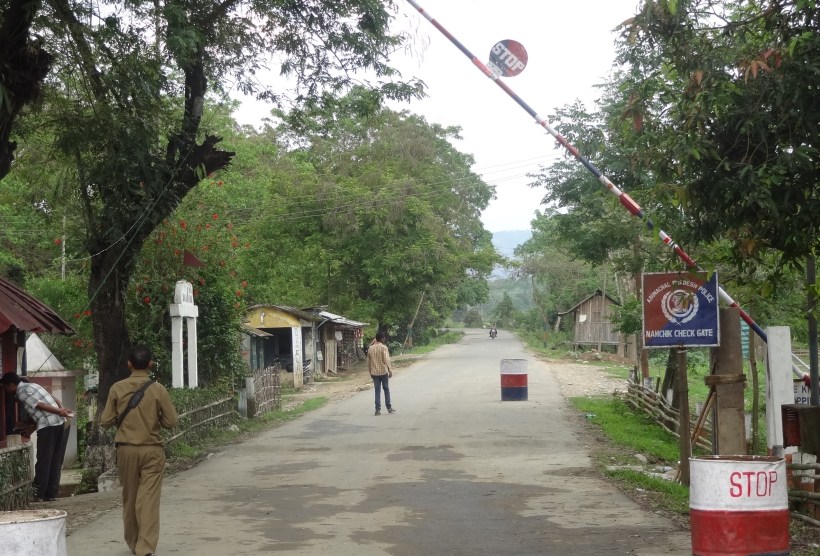
We then continued our journey and crossed over to Arunachal Pradesh to reach our destination Miao, about 55 km from Ledo. Our time estimates went wrong yet again; it took a long time to cover the distance from Ledo to Miao, because of poor road condition. Our accommodation for the night was booked at the Forest Guest House, where we reached by about 7.30 PM, after moving around the little town searching for about half an hour. We were lucky enough to get dinner from the Guest House, in spite of our late arrival.
Day 9 : April 11 : Miao – Namdapha (60 kM)
It was a relaxed day for us, since the scheduled program till noon was only a visit to the Miao Museum. Miao is located in a region where it gets one of the heaviest rainfalls in north-east India.
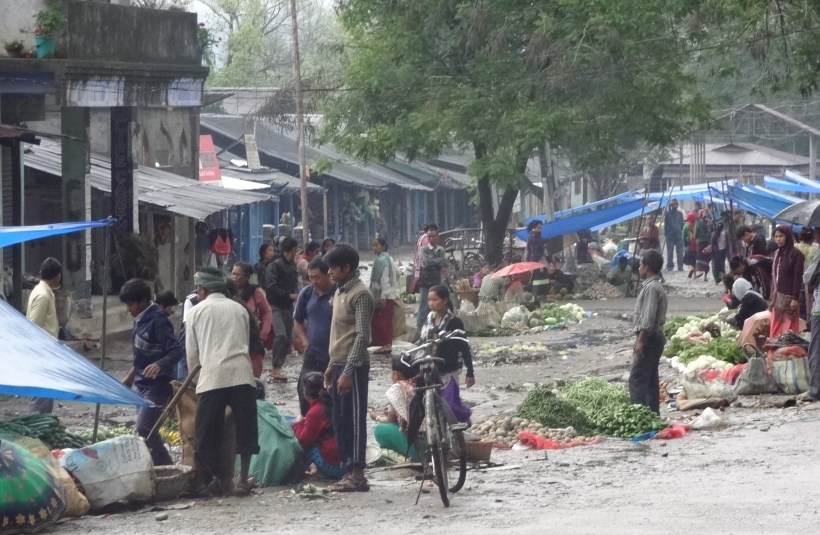
We went for a morning walk to the market area with only a few small shops. However, a lot of vendors from the nearby villages had come, and spread their wares, mostly fruits and vegetables, along the road. We noticed the people in this part of Arunachal to be of shorter stature, than those of the regions we visited earlier. The Miao region is mainly inhabited by the Tangsa, Singpho and Lisu tribes.
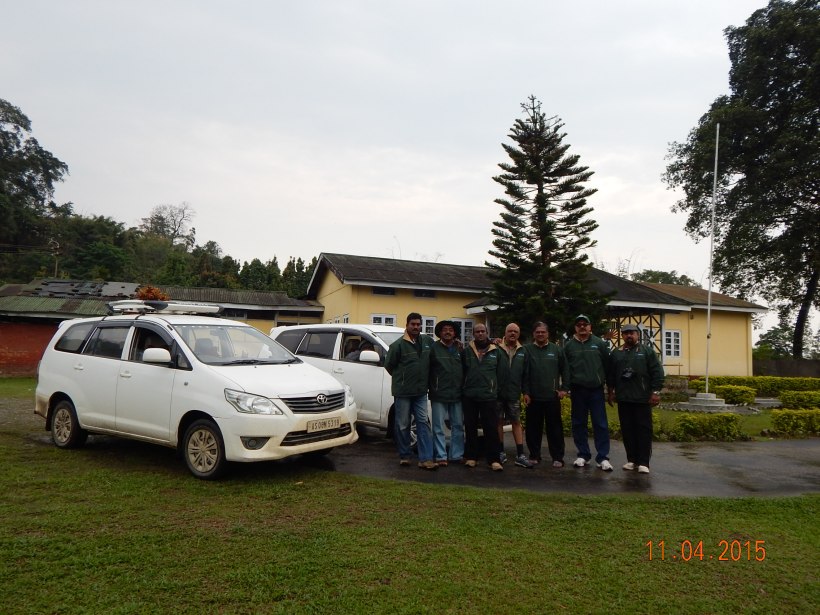
We then visited the Miao Forest Museum which had a good collection of animal skeletons, even though the museum was very small in size. We met Mr. Dusu Shra, the Project Director of Namdapha Wild Life Sanctuary, who was kind enough to give us a briefing about the Project as well.
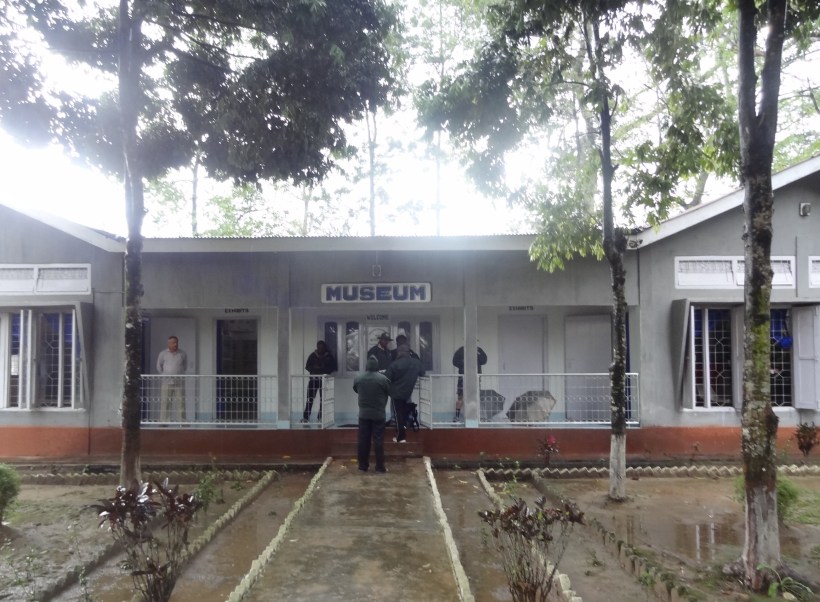
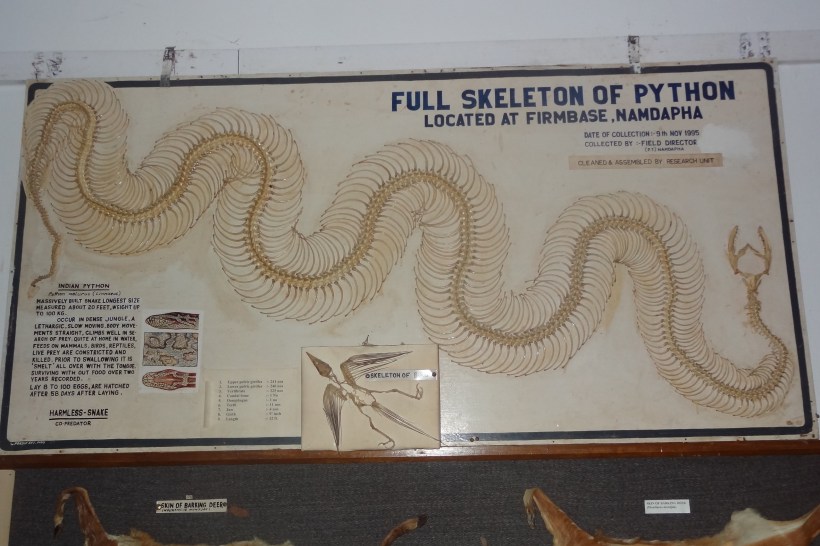
We proceeded to Namdapha National Park, after lunch, and entered the Park at Empen, after the necessary formalities.
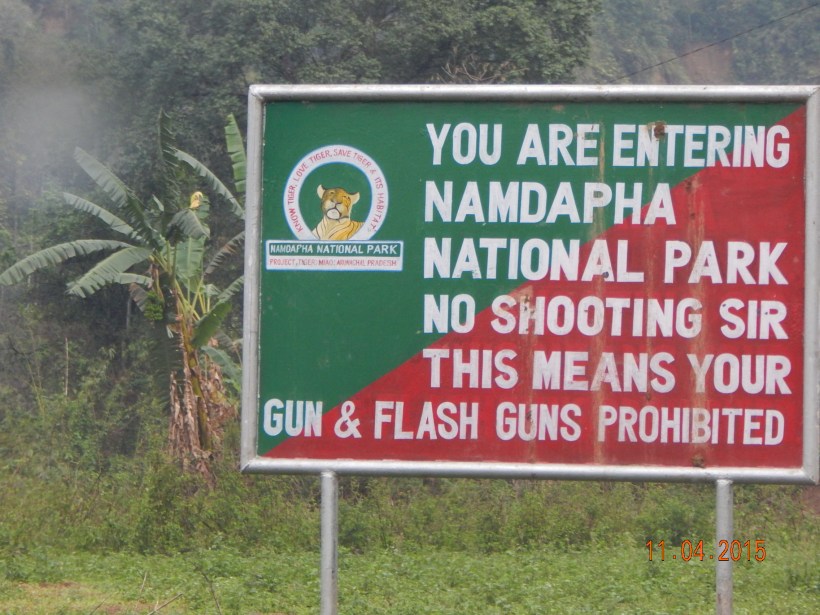
We were apprehensive about crossing a stream on the way into the Park, because, if the water level happens to be high, the crossing would be difficult. On reaching the spot, we found that the level of water was safe for the vehicles to cross over.
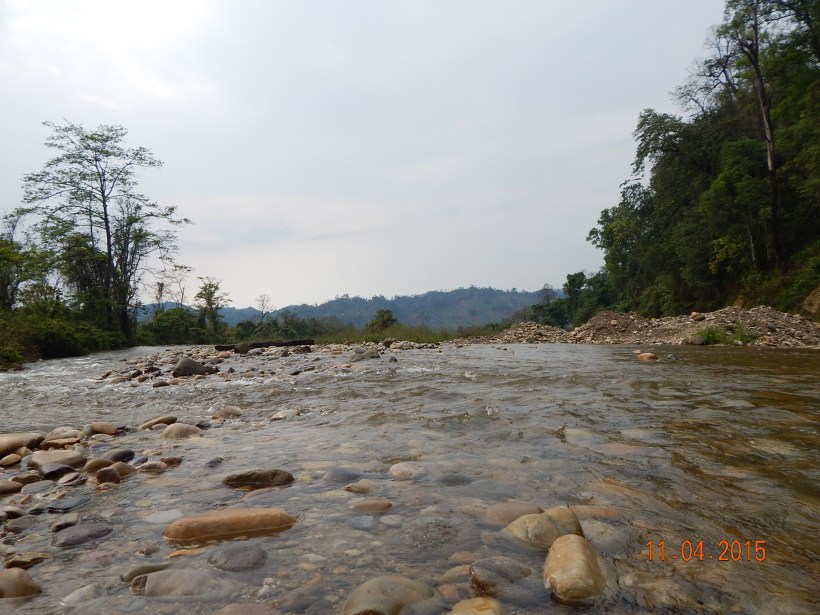
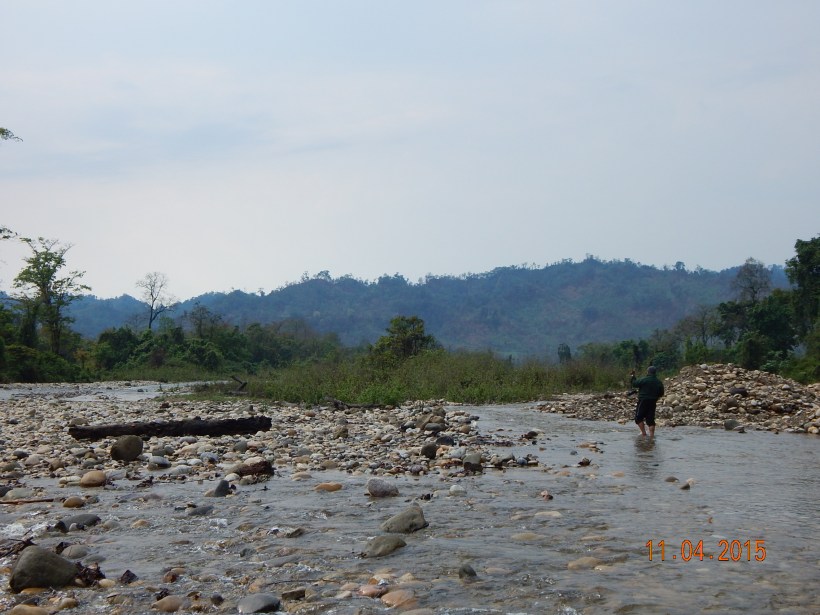
It was a very scenic location, ideal for picnic and we got out of the cars. Some of us walked through the stream while the cars crossed without scraping the underbody on the stones.

We continued driving through the narrow road and soon reached a place where we saw a cluster of houses on the beautiful river bank. The river we saw on the left side of the road was Noa Dihing which crossed Namdapha Park from east to west.
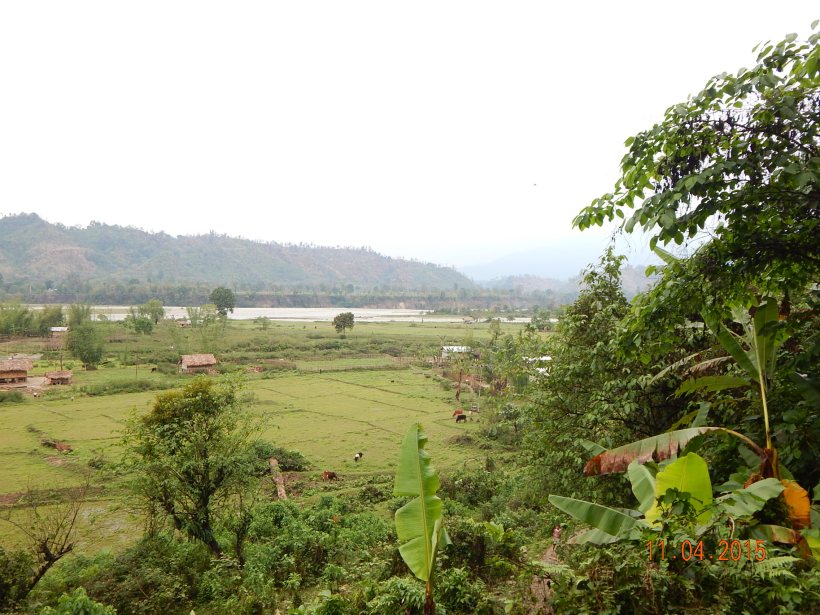
Soon we were inside the lowland evergreen rainforests of Namdapha, considered to be the northernmost in the hemisphere. Namdapha is the only place in India, where all the four big cats (leopard, tiger, snow leopard and clouded leopard) are present. The Park has an astonishing range of altitude (980 to 14,760 feet), and is a favorite location for hard-core trekkers, keen on wildlife.
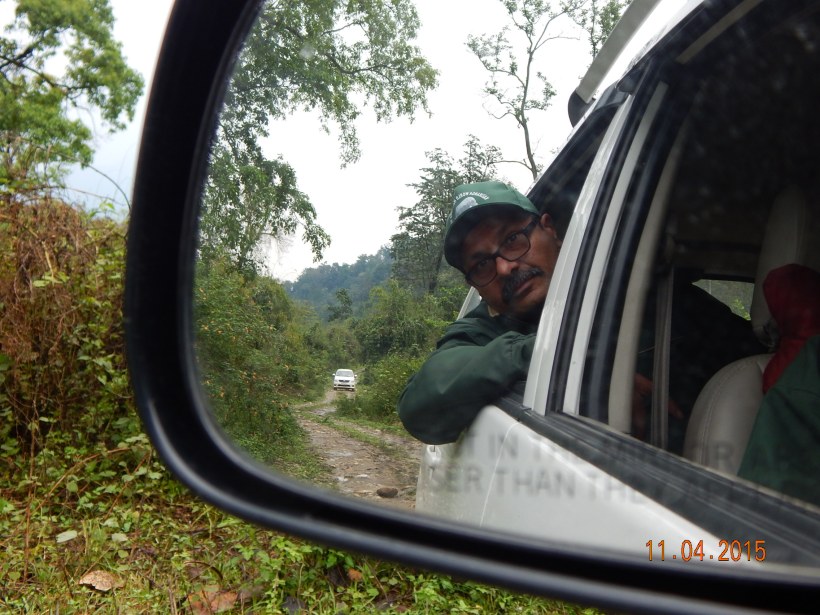
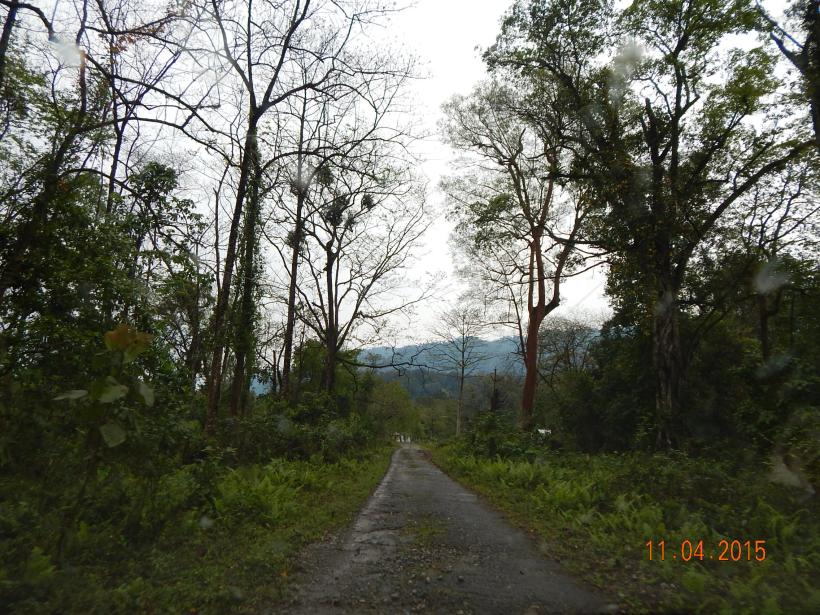
Lush green forest, fresh cool air, chirping of birds and the sound of streams created a great atmosphere.

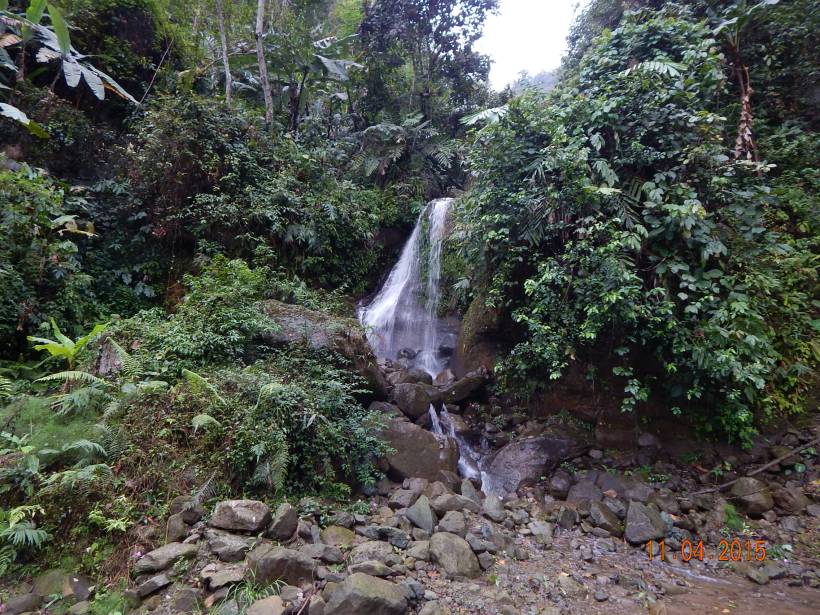
We travelled through the forest for more than an hour to reach the tourist camp set on the river bank, by the Forest Department. At the reception of the Forest Office, we were briefed about the rules to be followed during the stay in the camp, keeping in mind the motto of `live with the nature’. The camp had only basic amenities, but it was a wonderful experience.
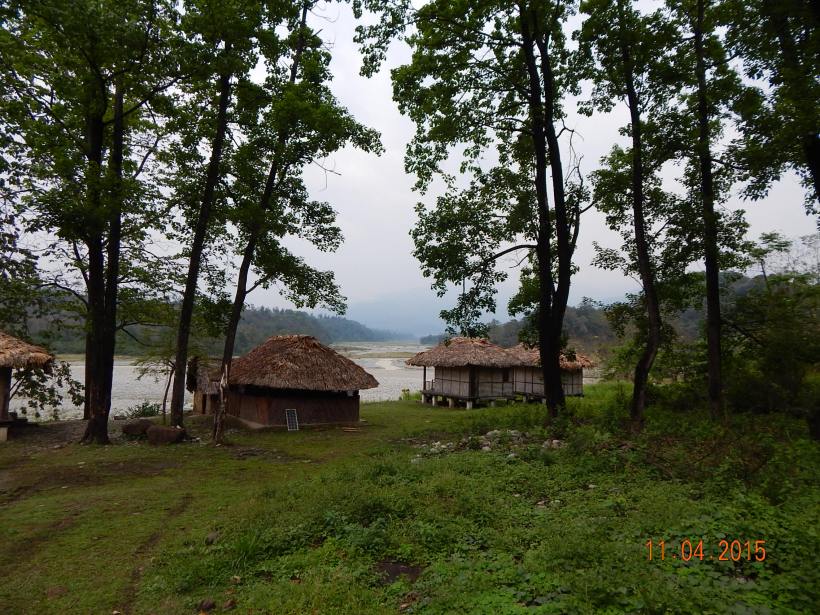
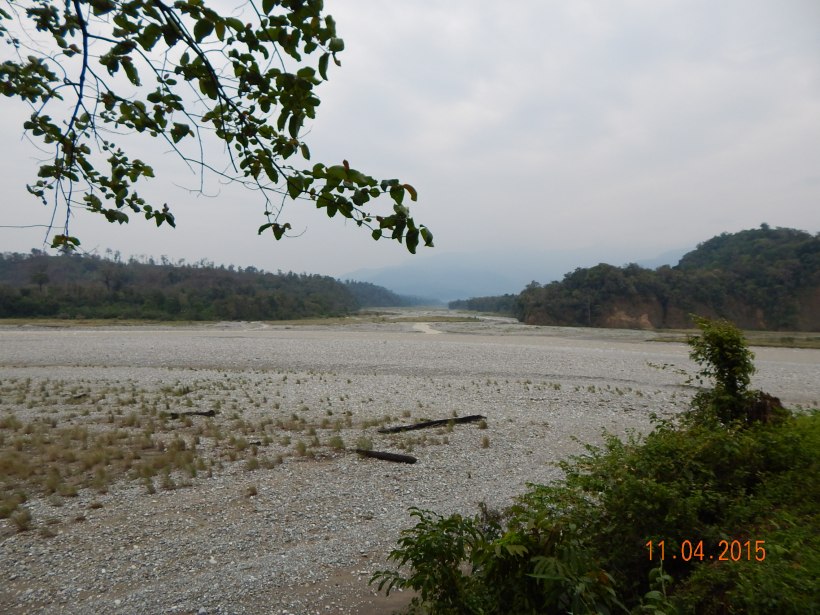
The river Noa Dihing with the abundance of round pebbles and stones on its banks and the lush green forests on the sides was the highlight of this camp. They served us food in the hut at the river bank at specific timings. There was no electricity; they had provided candles in all rooms.
Day 10 : April 12 : Namdapha
Namdapha National Park is the largest protected area in the Eastern Himalaya biodiversity hotspot and is located in Changlang District of Arunachal Pradesh.
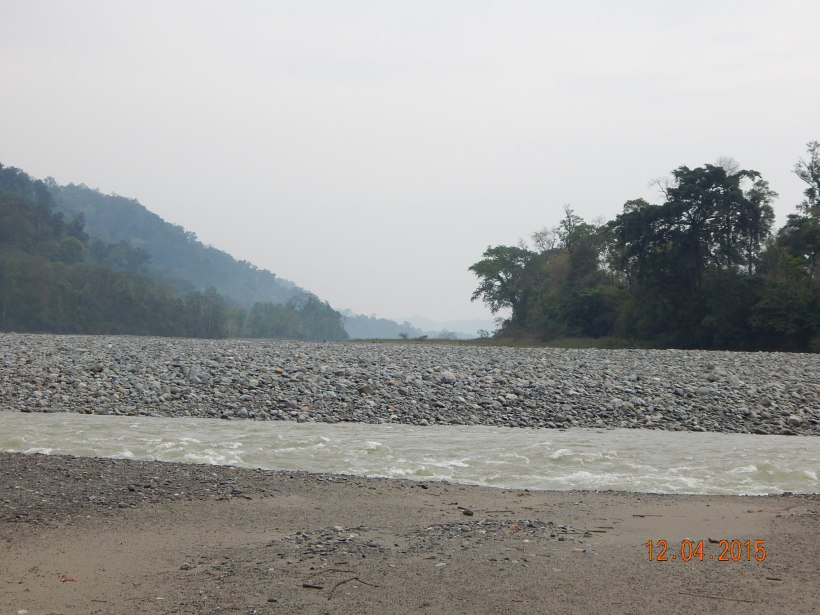
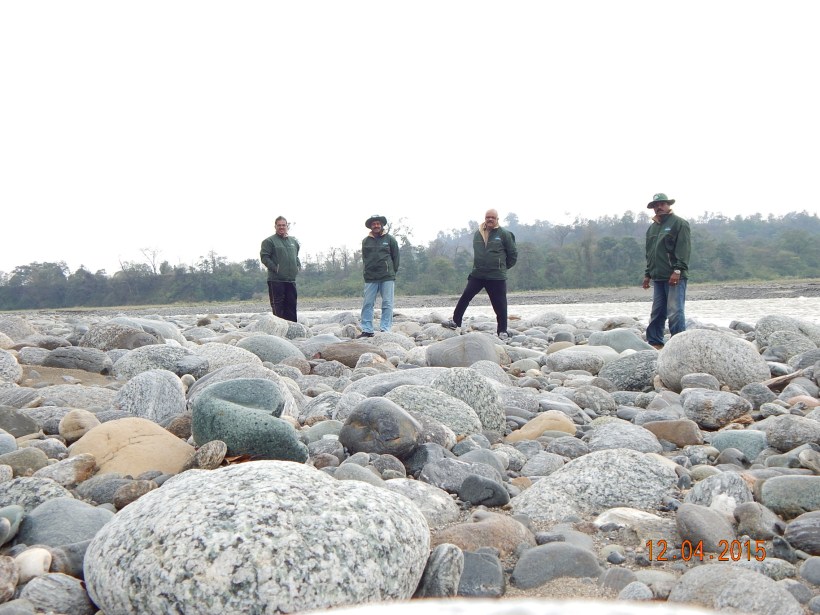
In the morning, we walked through the river bank hoping to enjoy the sunrise in that wonderful setting. But the nature had other ideas; we didn’t see the sun at all, but only clouds and mist.
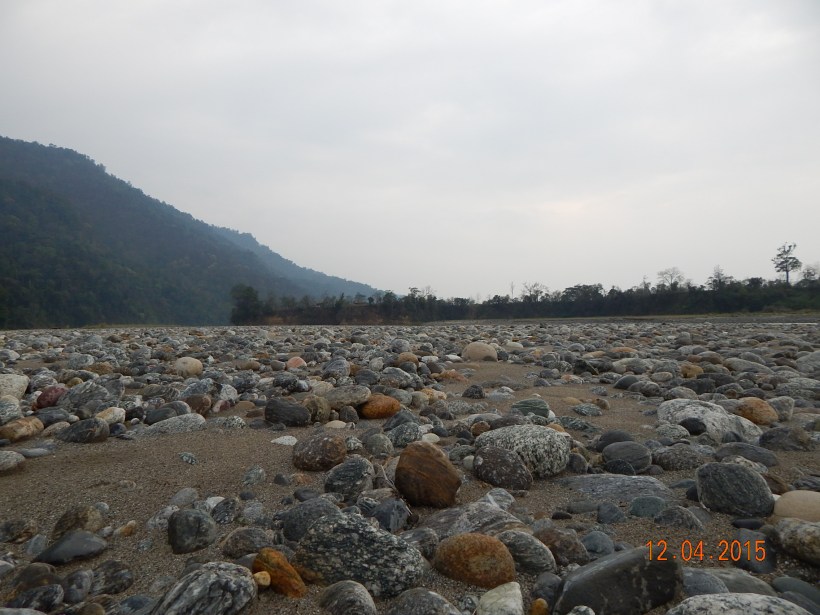
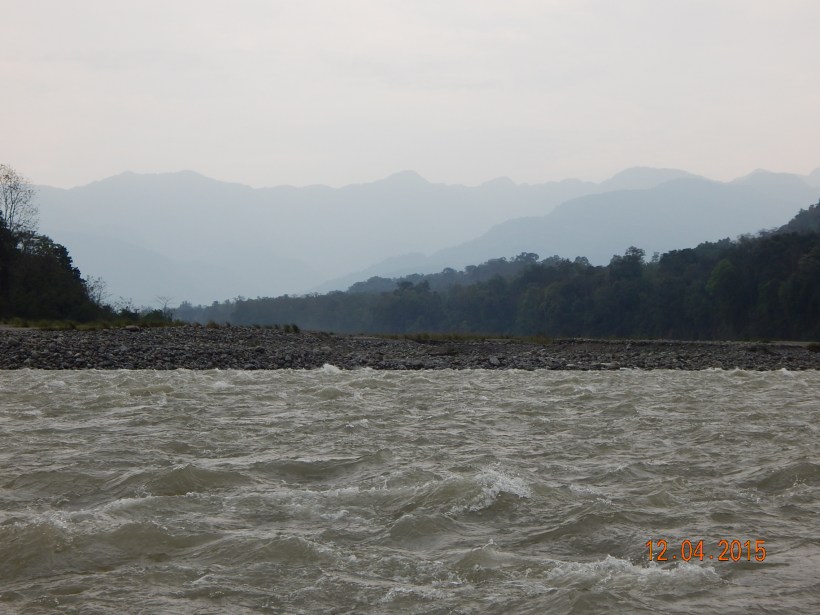
After breakfast, we went for a long walk in the park, on advice of the forest officers. The track we took was the road leading to Vijoynagar, close to the Myanmar border. However, we were told that this road continues only for a few more kilometers, and those traveling to Vijoynagar over land need to trek for 4-5 days through the forest !
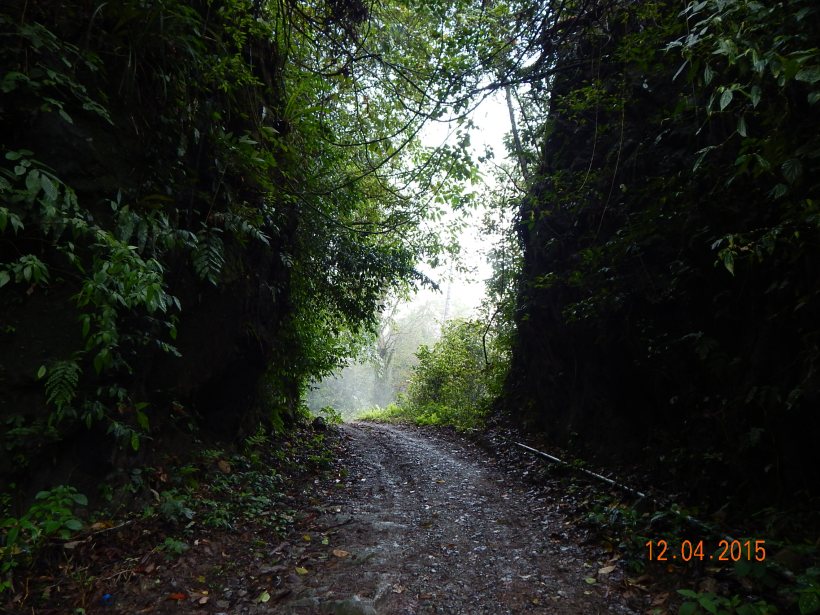
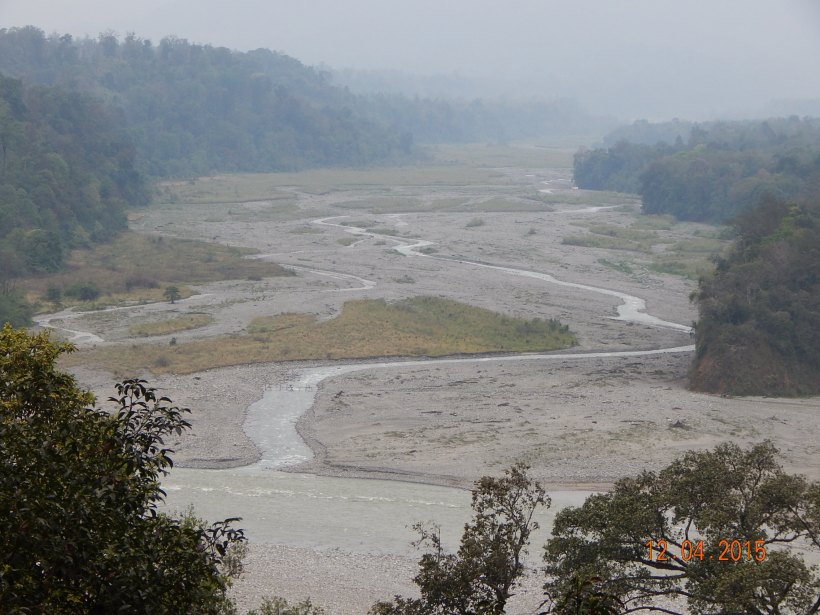
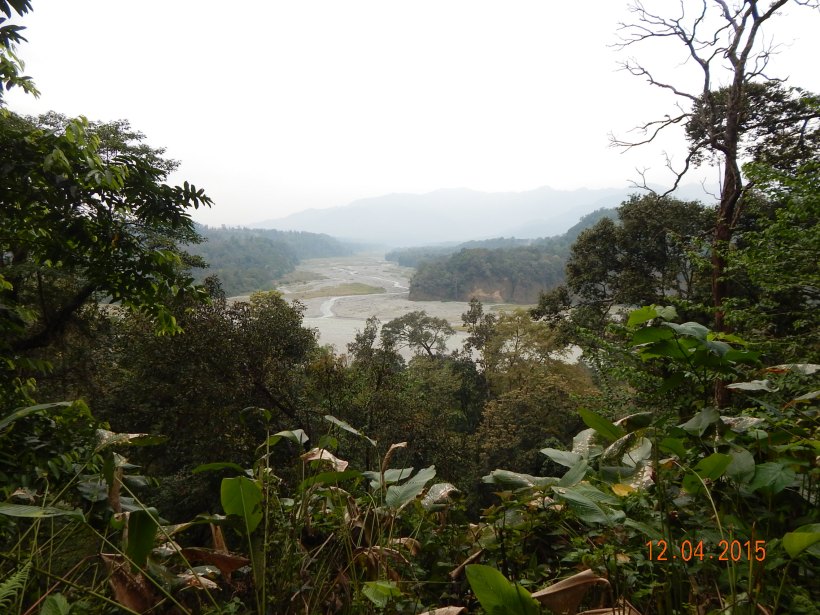
We shortly came to a watch tower on the road, which we climbed up, to gain a panoramic view of the surroundings.
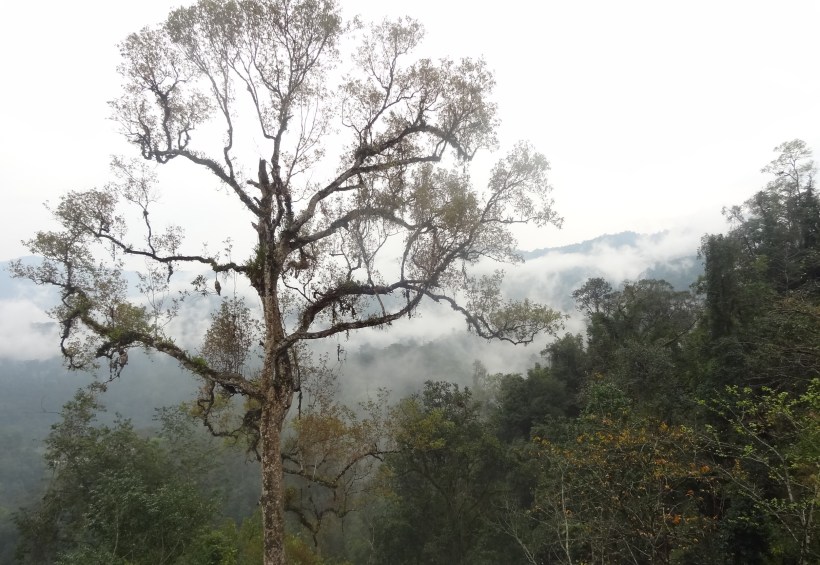
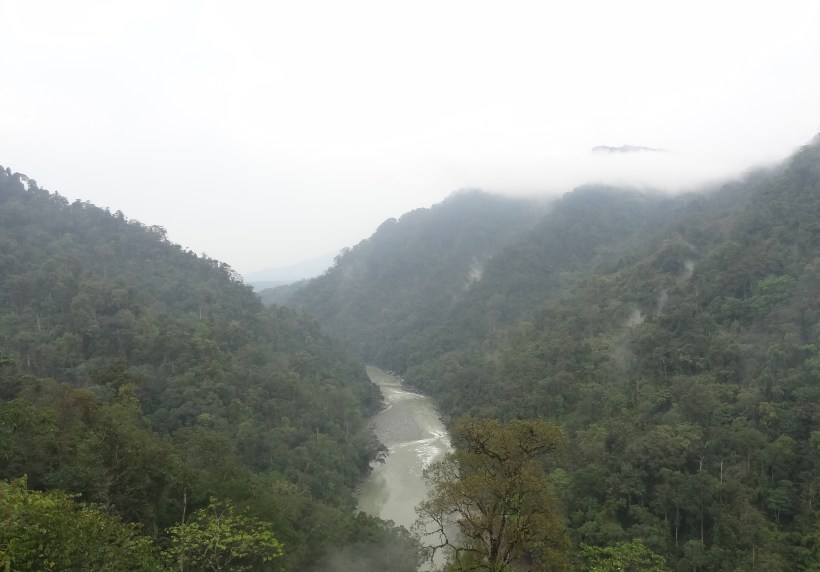
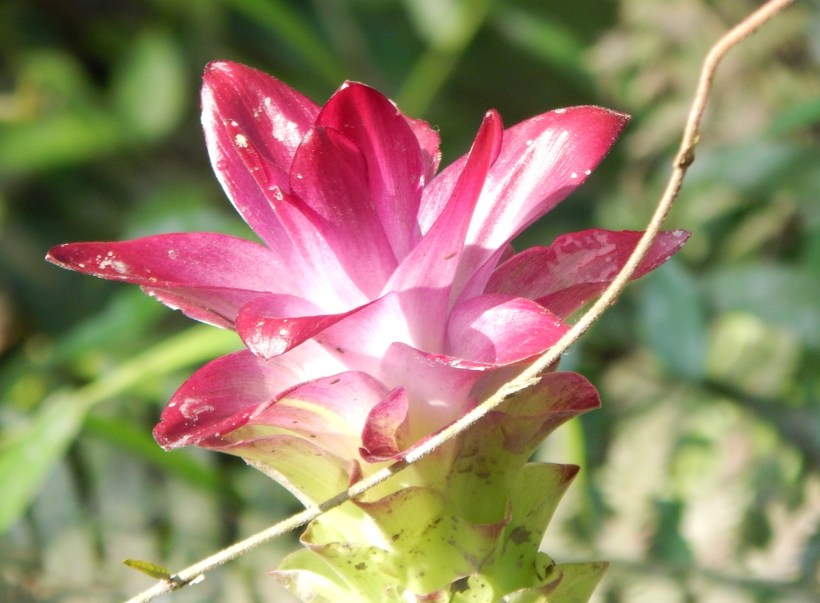
We didn’t see any animals, but saw only a few birds, but the walk in the forest was extremely rewarding. The air was so pure, the wild flowers so beautiful, the plants and trees swinging in the cool breeze, the forest enhanced our mood.


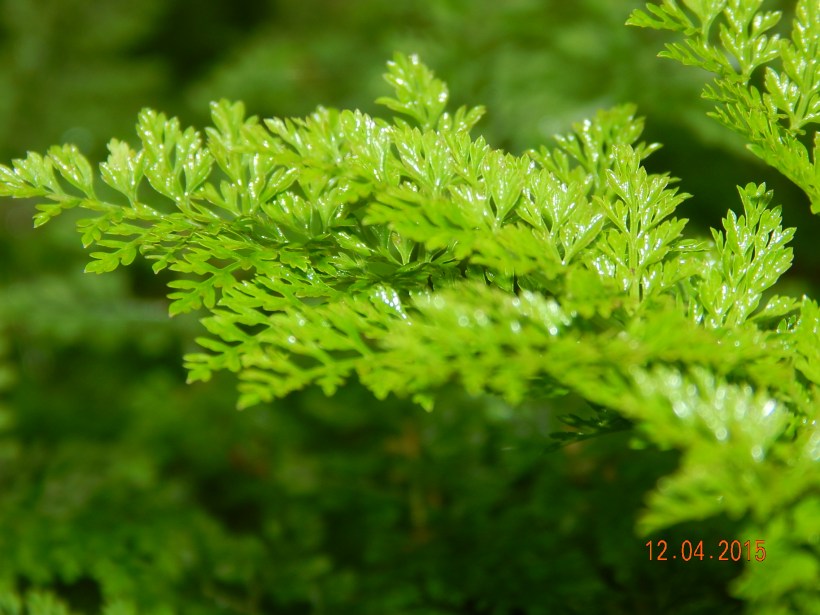
We noticed that there was an abundance of colourful butterflies and we started clicking pictures of them. None of us had seen this much variety in butterflies anywhere before.
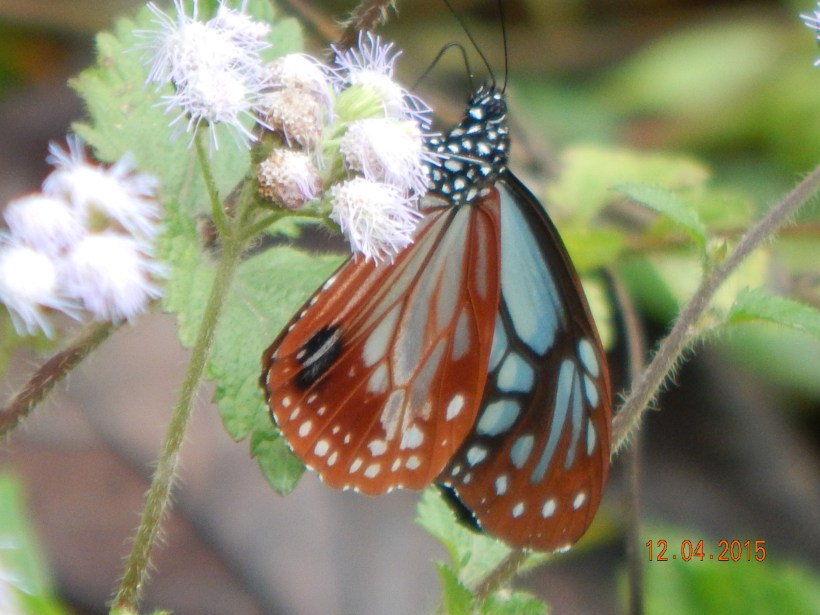

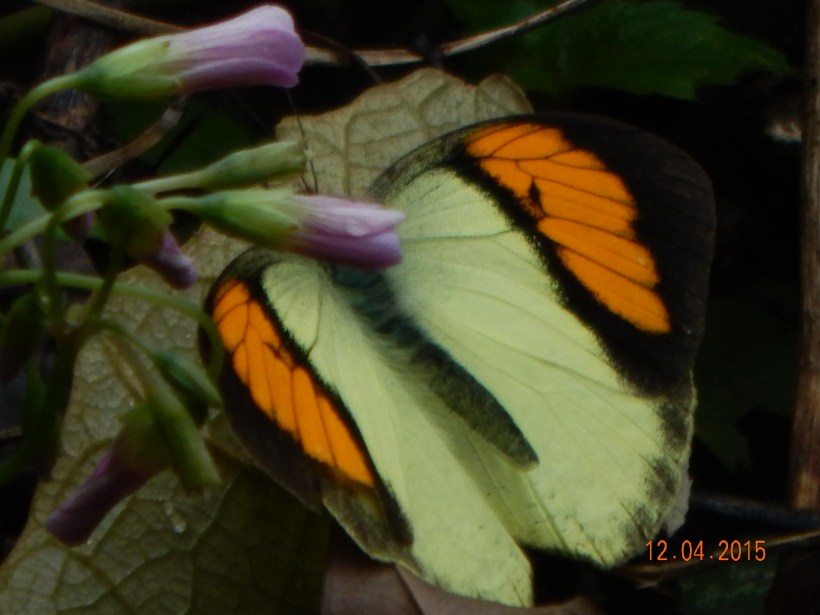
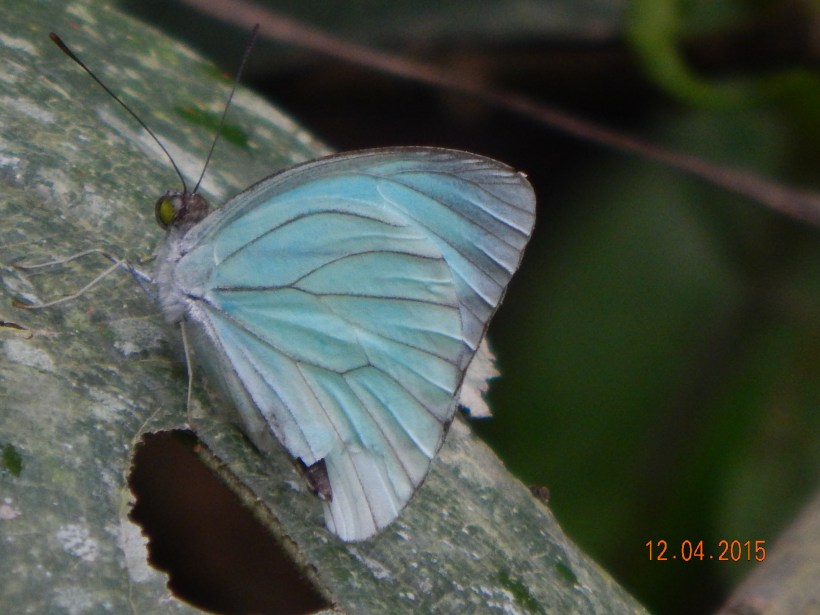
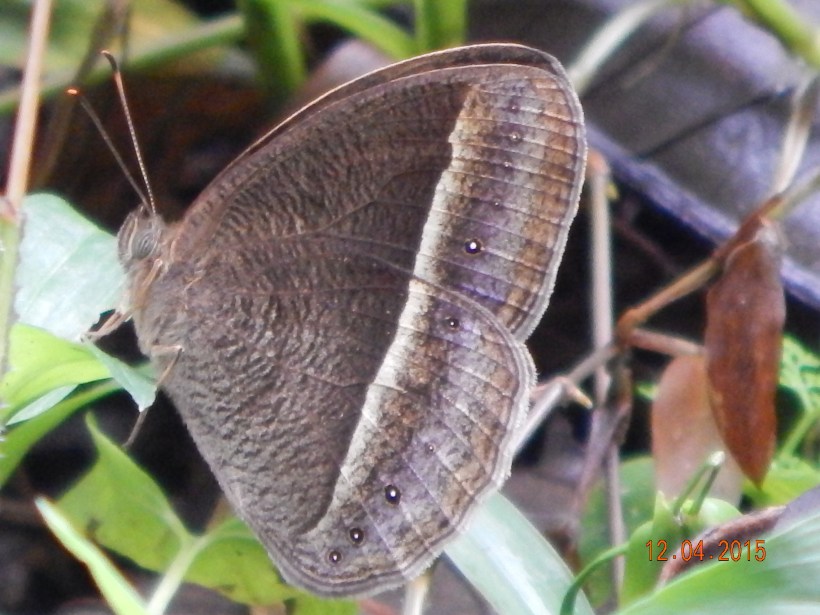
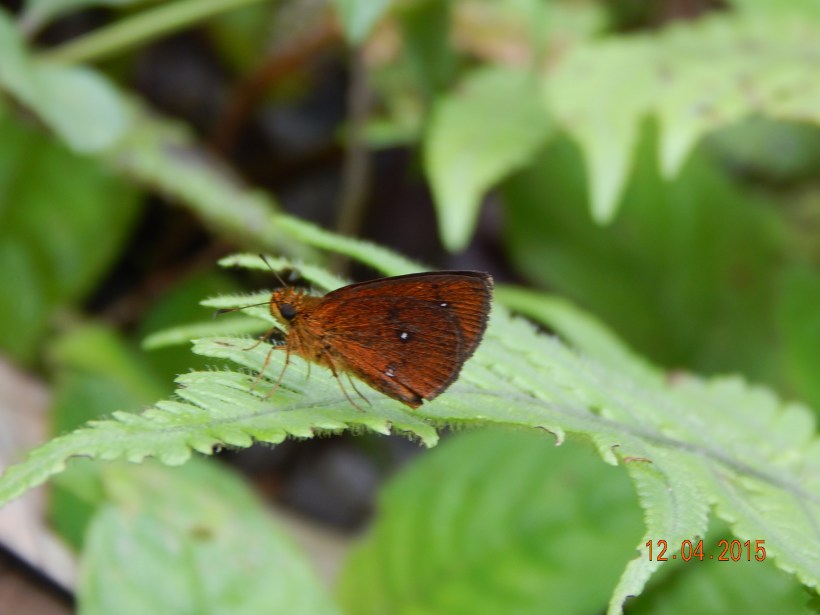

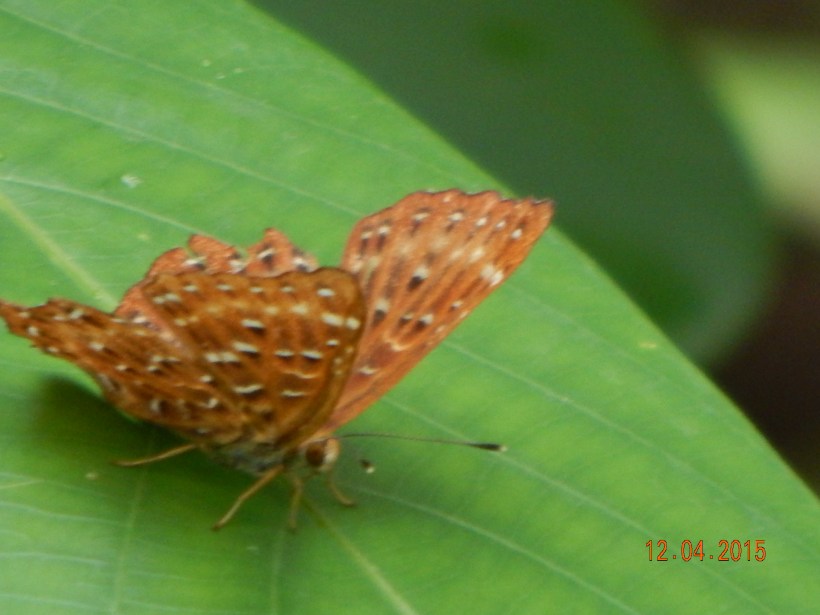
We returned to the camp for a late lunch. The rest of the day was enjoyed relaxing in the forest camp.
Day 11 : April 13 : Namdapha – Miao – Jairampur – Nampong – Dibrugarh (290 kM)
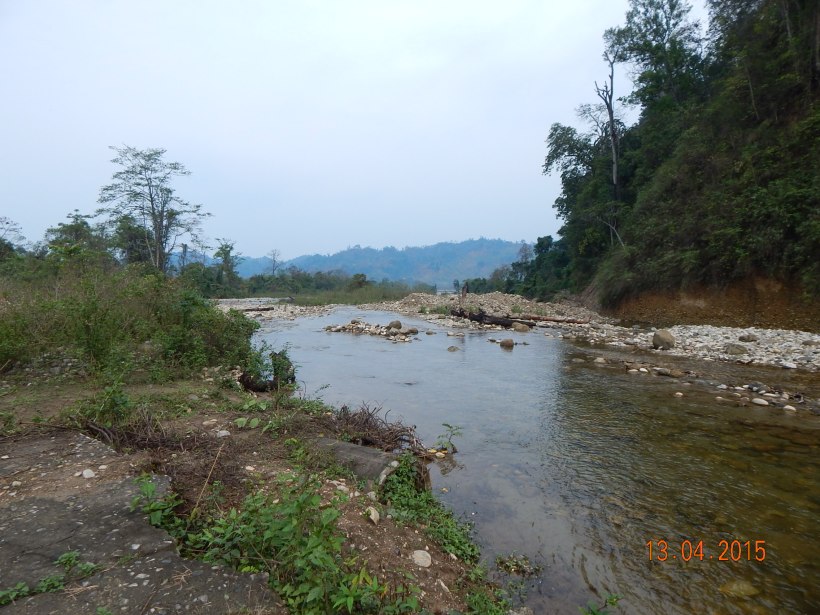
We started early after a cup of tea from the Camp and retraced our route to Miao. Again, we had a lot of apprehension concerning the water level in the stream that we had to cross on the way back, because a high level will cause us to get stranded on the remote side. Luckily for us, the water level remained safe yet again and we could reach Miao town for breakfast.
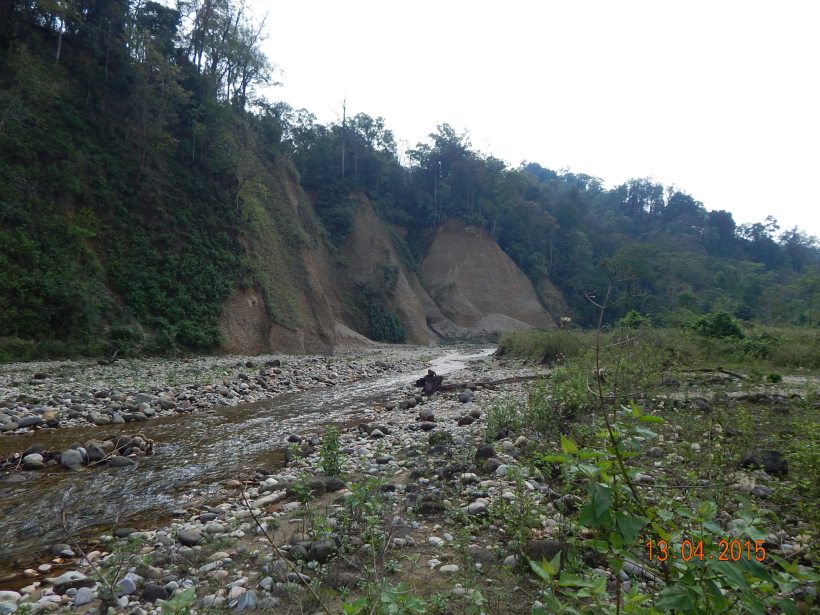
Resuming our journey, we took a left turn at Jagun and reached Jairampur by noon. The town of Jairampur is famous for the World War II Cemetery.
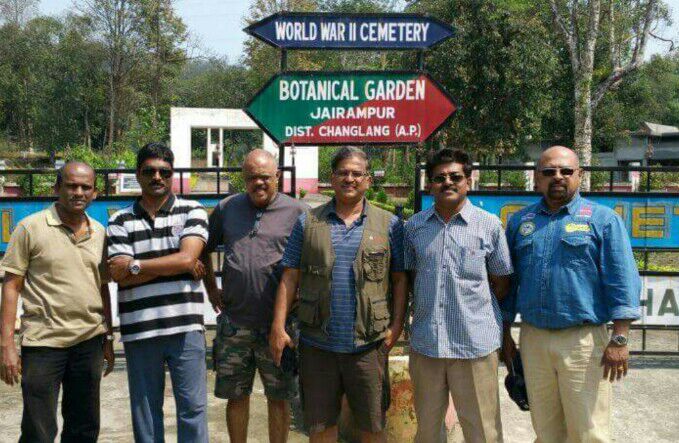
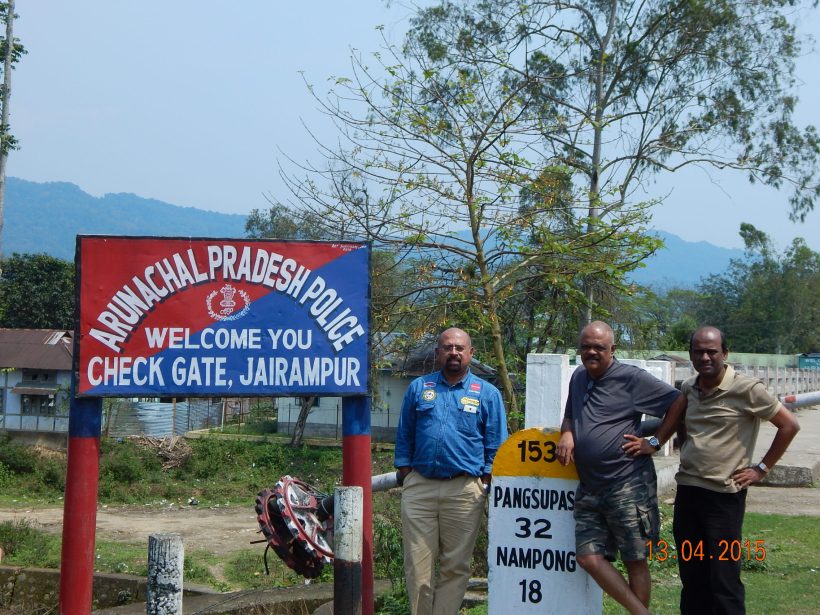
After spending some time at the historic location, we continued towards Nampong, the little town close to the Myanmar border. Indian citizens visiting the Myanmar border are required to take a permit from the Sub Divisional Officer, Nampong, but the day being a holiday, the office was closed. We still proceeded to the Indian Army post, and sought a special permission to visit the border. Lady Luck was in our favour, and the Army was kind enough to allow us to visit the border, accompanied by a soldier.
The climb to Pangsau Pass, located at about 14 km from Nampong, started a few kilometers after the town. The nice winding road took us to the pass quickly and we were greeted by a Welcome signboard of Myanmar. Pangsau Pass was a historic landmark in the ancient Stilwell Road connecting India and Burma.
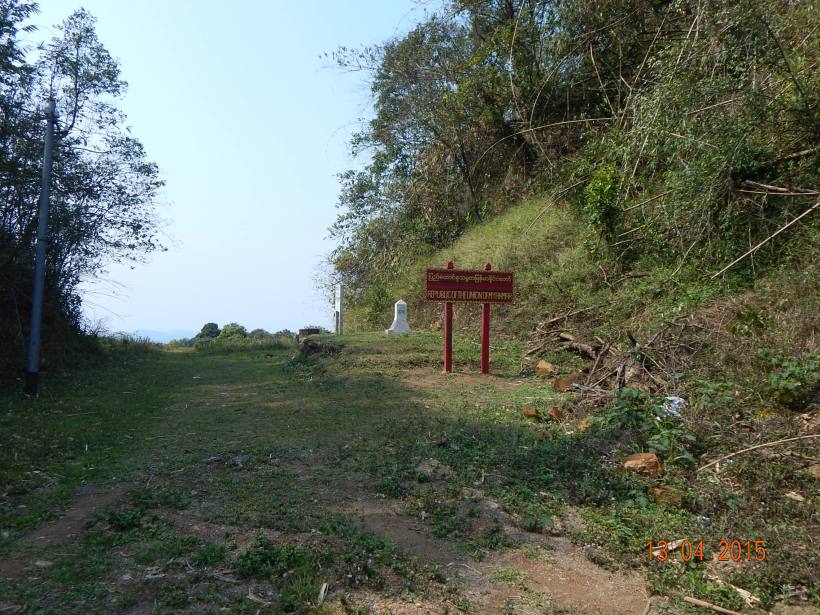
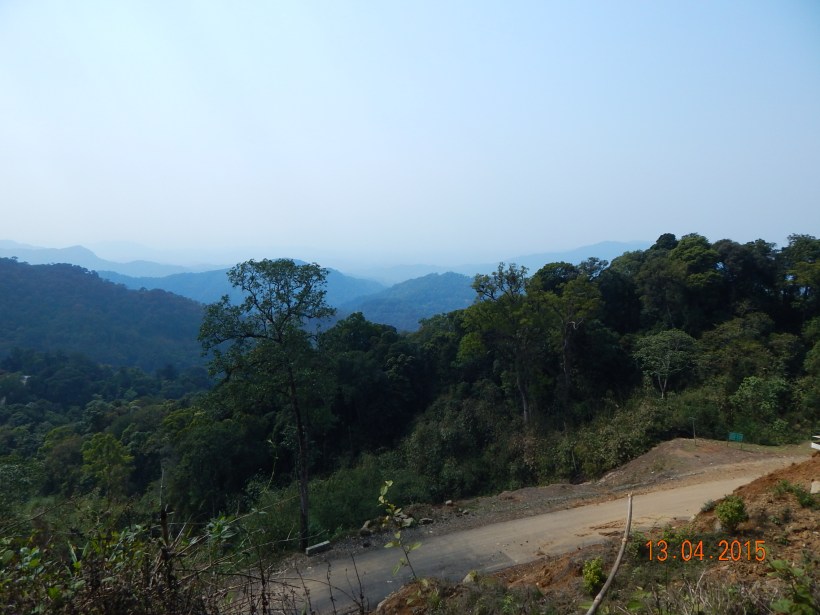
We were able to spot the historic `Lake of No Return’ (into which a few Allied aircrafts happened to crash during the World War II) in the distance, in Myanmar territory. We found a brand-new market building being built on the Myanmar side, which should be to facilitate local trade across the border. We crossed over to the foreign land for a few meters, clicked a few pictures and returned.
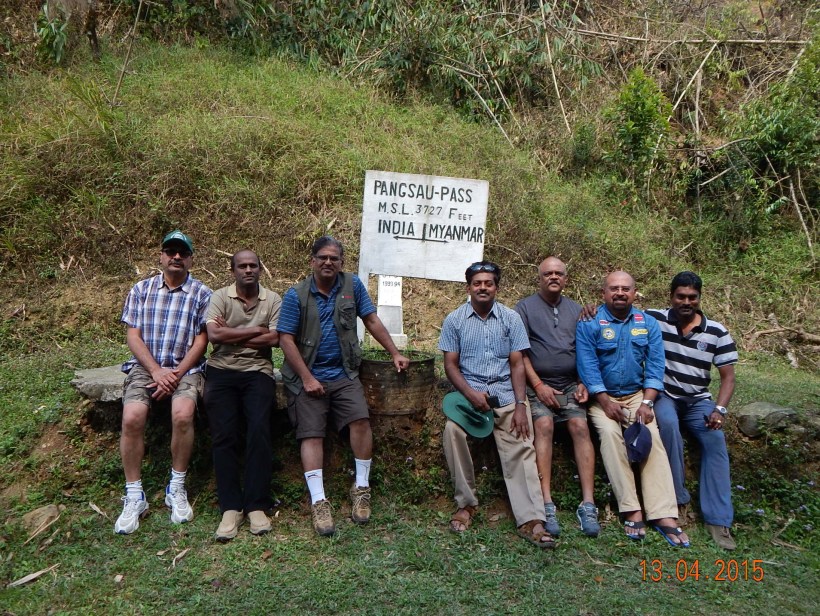
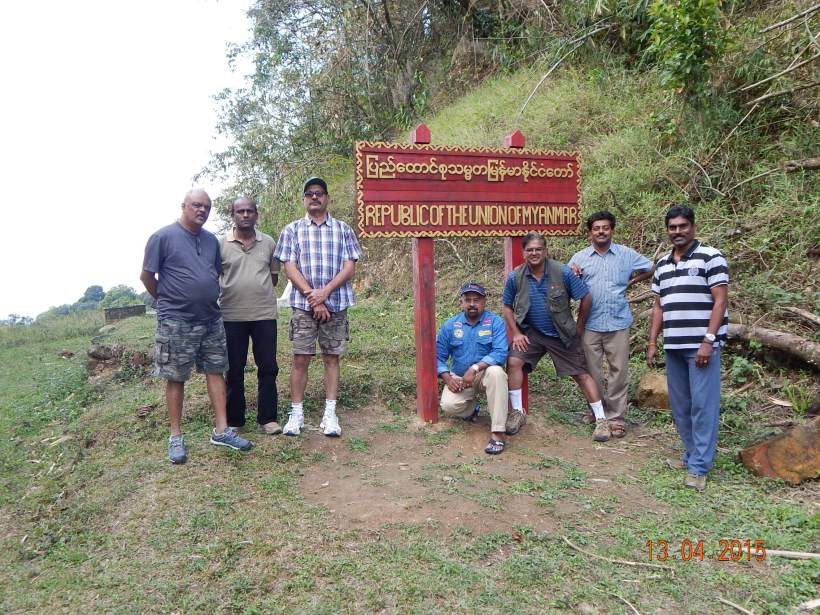
We had come to the end of our expedition in Arunachal and we drove back to Dibrugarh. The return journey was uneventful and we reached our destination by evening. We checked into a hotel and handed over the vehicles after settling the bill. A small party to celebrate our accomplishment followed
Next day, we boarded our flight from Dibrugarh in the morning and reached Bangalore via Calcutta, in the evening. Yet another trip completed by our team, without major setbacks.
Our unforgettable journey to the remote North-East corner of our country was one which offered us ample insights into the rich cultural heritage of the people, as well as the vast bio diversity of the land.
 Nostalgia EE 84